Sound Like Something You're Dealing With?
If any of that sounds familiar, there's a straightforward way forward. Restoring a damaged or missing tooth is more routine than most people expect.
What Waiting Actually Costs
Small cracks become large breaks
A tooth that could be saved with a crown may eventually need extraction instead.
Decay reaches the nerve
What starts as a filling situation can turn into a root canal over time.
Neighboring teeth drift
Teeth surrounding a gap gradually tilt and shift, changing how your bite fits together.
Jawbone begins to thin
The bone beneath a missing tooth loses stimulation and slowly reduces in volume.
Treatment grows more involved
A single restoration today can become several procedures a year from now.
Chewing habits become permanent
Favoring one side strains your jaw joint and wears down the teeth doing extra work.
Addressing the problem early keeps treatment simpler, faster, and far more predictable.
How Dental Crowns and Bridges Work
A crown is a custom-made cap that fits over a tooth that has been cracked, worn down, or weakened by decay. It covers the entire visible portion, restoring the original shape and strength so the tooth can handle normal biting force again. A bridge addresses a different situation. When a tooth is missing, a bridge spans the empty space using crowns on the neighboring teeth as anchors, with a replacement tooth attached in between. Both are fixed in place permanently and function much like natural teeth.
Our approach at Hite Family Dentistry relies on digital impressions and in-office milling rather than messy trays and long waits. Patients receiving dental crowns in Edwardsville often complete treatment in a single visit through our CEREC system, which designs and mills the restoration while you’re here. Our in-house lab capability also means adjustments and shade matching happen without shipping your case elsewhere.
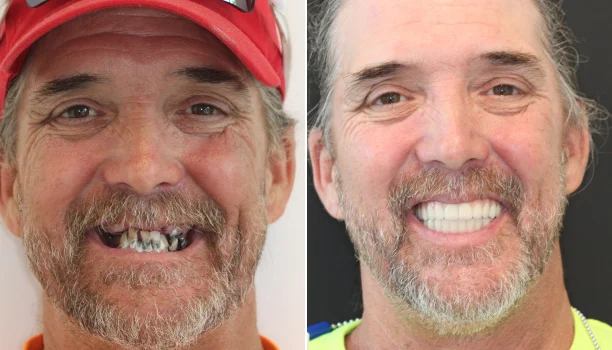
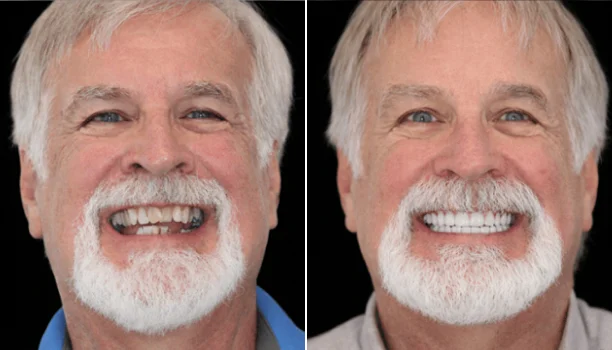
Transformations That Last
Be our Next Success Story!
Benefits of Dental Crowns & Bridges
See What's Possible for Your Smile
Be our Next Success Story!
Request an appointment with one of our doctors and start your smile journey today.
Are Crowns or Bridges Right for You?
Not Sure Where You Fall?
What to Expect During Your Crown or Bridge Treatment
Examination and Planning
We start by examining the tooth and taking cone beam 3D images to see exactly what's happening below the surface. This shows the condition of the root, surrounding bone, and neighboring teeth. We walk you through what we find and discuss material options, shade matching, and whether a crown or bridge fits your situation. You leave this visit knowing precisely what the treatment involves.
Preparing the Tooth
The area is fully numbed before anything begins, and nitrous oxide is available if you'd feel more at ease with it. We gently reshape the tooth so the crown fits securely, removing any decayed or weakened structure along the way. Most patients describe this as pressure rather than anything sharp. When the tooth is ready, the shaping is complete.
Digital Impressions
Instead of impression trays, we use an intraoral scanner that captures your tooth and bite digitally in a few minutes. There's no putty, no gagging, and no waiting for material to set. The scan produces a highly accurate model that guides the design of your restoration. You simply sit back while the scanner does the work.
Placement and Fit
With CEREC, your crown is milled in our office and placed the same day. For bridges or cases requiring lab work, a temporary protects the tooth until the final restoration arrives. We check the fit, bite, and appearance carefully before cementing it, making adjustments until everything feels natural. You walk out chewing on a restored tooth.
Ready to Chew and Smile Freely Again?
What Recovery Looks Like After Treatment
First 24-48 Hours
Your tooth and the surrounding gum tissue may feel slightly tender, especially if the area was numbed. Stick to softer foods and chew on the opposite side during this window. Over-the-counter pain relief handles any discomfort for most patients, and sensitivity to hot and cold usually fades within a day or two.
First Week
By now the restoration should feel like part of your mouth rather than something new. You can return to your normal diet, though it's worth easing into anything particularly hard or sticky. Brush and floss the area as you would any other tooth. If your bite feels even slightly off, let us know and we'll adjust it quickly.
Questions About Recovery? We're here to help
Payment Flexibility That Eases Treatment Planning
Don't Wait to Smile. Check out Our Payment Options.
Crowns and Bridges FAQs
How long do crowns and bridges last?
Does getting a crown hurt?
Can I get a crown in one visit?
What's the difference between a crown and a bridge?
Will my crown look natural?
Do I need to do anything special to care for it?
Can a crown fix a tooth that already had a root canal?
What if I wait to replace a missing tooth?
Is a bridge better than an implant?
What does treatment cost?
Still Have Questions?