These Are the Signs We Hear Most
If any of that sounds familiar, the fix is usually simpler than you expect. A single visit often settles it.
What Waiting Costs a Small Cavity
Decay Reaches the Nerve
Once decay works past the enamel, a simple filling turns into root canal territory.
Treatment Becomes More Involved
What a filling handles today may need a crown or onlay six months from now.
The Cost Climbs
Larger restorations take more time, more material, and more of your budget than early repair.
Sensitivity Turns Into Pain
Cold twinges tend to become steady aching that interrupts sleep and workdays.
Fewer Options Remain
Catching decay early leaves room for conservative choices; waiting narrows what we can save.
The Tooth Weakens
Decay hollows out structure from the inside, leaving thin walls that crack under normal chewing.
Early treatment means a shorter appointment and a stronger tooth afterward.
How Dental Fillings Repair a Damaged Tooth
A dental filling replaces the part of a tooth that decay has destroyed. We remove the softened, damaged area, clean the space, and rebuild it with composite resin, a tooth-colored material that bonds directly to the remaining enamel. A curing light hardens the resin in seconds, creating a surface strong enough to chew on before you leave.
Digital x-rays and intraoral photos at Hite Family Dentistry catch decay while it is still small, and we put those images on the screen so you see exactly what we see. Dental fillings in Edwardsville, IL, are shade-matched to the teeth beside them, and our in-house lab background sets a high standard for how every finished restoration looks and fits.
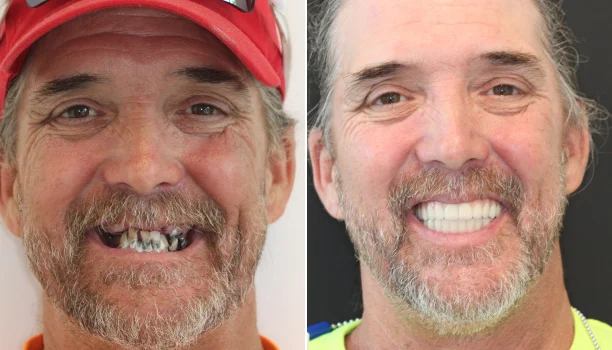
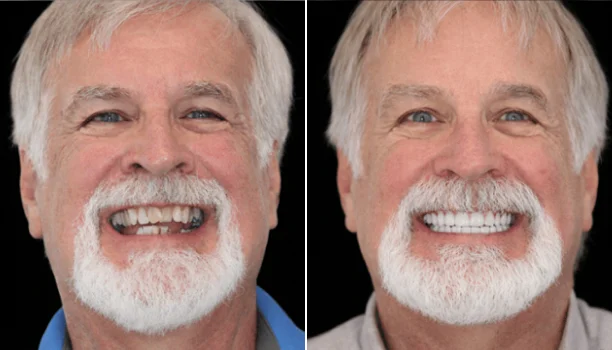
Transformations That Last
Be our Next Success Story!
Benefits of Dental Fillings
See What's Possible for Your Smile
Be our Next Success Story!
Request an appointment with one of our doctors and start your smile journey today.
Are Dental Fillings Right for You?
Not Sure What You Need?
What to Expect During Your Dental Filling
Exam and Numbing
We start by looking at the tooth with an intraoral camera and a digital x-ray, then show you both on the screen so the plan makes sense before anything begins. A topical gel numbs the surface first, which means the local anesthetic that follows is something you barely register. Nitrous oxide is available any time you want it.
Removing the Decay
Once you are comfortably numb, we clear away the softened, decayed portion of the tooth and leave healthy structure untouched. You feel light pressure and hear the handpiece, nothing sharp. This part usually takes only a few minutes per tooth, and we check in with you as we go. The space is then cleaned and dried.
Filling and Polishing
We layer tooth-colored composite resin into the space, shade-matched to your enamel, and harden each layer with a curing light. Then we shape the surface, check your bite while you tap your teeth together, and polish until it feels smooth to your tongue. You walk out with a finished tooth and no follow-up visit to schedule.
Ready to Chew Comfortably Again?
Life After a Dental Filling
First 24-48 Hours
Numbness typically fades within one to four hours, so hold off on hot drinks and be careful not to bite your cheek while it lasts. Mild sensitivity to cold or pressure on that tooth is normal and usually eases within a day or two. Over-the-counter pain relief handles it for most people.
The First Week
By day three, most patients forget which tooth we worked on. Your bite may feel slightly high at first while your jaw adjusts, and a quick adjustment takes care of that if it lingers. Chewing, brushing, and flossing return to normal right away.
Questions About Recovery? Our team is always available.
Payment Flexibility That Eases Treatment Planning
Don't Wait to Smile. Check out Our Payment Options.
Dental Filling FAQs
Does getting a filling hurt?
How long does a filling appointment take?
How long do tooth-colored fillings last?
Can you replace my old silver fillings?
Will anyone be able to tell I have a filling?
What happens if I put off a filling?
Can I eat right after my filling?
Why is my tooth sensitive after a filling?
Are fillings covered by dental insurance?
What if I have dental anxiety about getting a filling?
Still Have Questions?