Do Any of These Sound Familiar?
If more than one of these sounds like you, there is a straightforward path forward. Relief is closer than it feels right now.
What Waiting Really Costs
Roots keep growing
Longer roots sit closer to nerves, making treatment more involved later on.
Infection risk climbs
Partially erupted teeth trap bacteria that gums cannot clear on their own.
Neighboring teeth suffer
Pressure from behind can damage healthy molars that were never a problem.
Crowding undoes past work
Years of orthodontic results can shift once wisdom teeth push forward.
Healing slows with age
Younger patients typically recover faster than those who wait a decade.
Treatment grows more complex
Simple removals turn into longer visits when problems compound.
Addressing wisdom teeth early means a simpler visit and a smoother recovery.
How Wisdom Teeth Removal Actually Works
Wisdom teeth are the third and final set of molars, arriving in the late teens or early twenties. Most jaws no longer have room for them, so they come in sideways, stay partly buried under the gums, or push against the molars in front of them. Removal takes the tooth out before it creates crowding, infection, or damage to neighboring teeth. Depending on position, the tooth may come out whole or in sections to protect the surrounding bone.
Planning matters more than speed here. Our team at Hite Family Dentistry uses cone beam 3D imaging to see exactly where each root sits in relation to nerves and sinuses before anything begins. Patients considering wisdom teeth removal in Edwardsville also have access to nitrous oxide, oral sedation, and IV sedation with a dedicated sedation nurse, so comfort is planned alongside the clinical work.
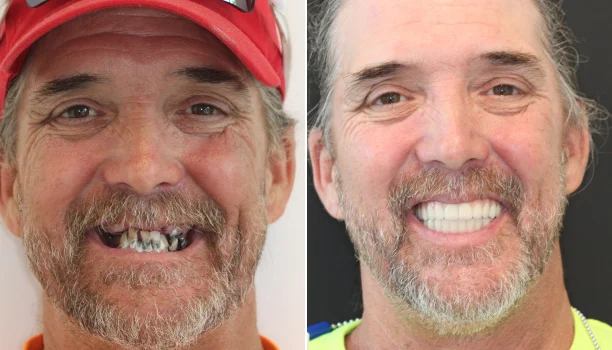
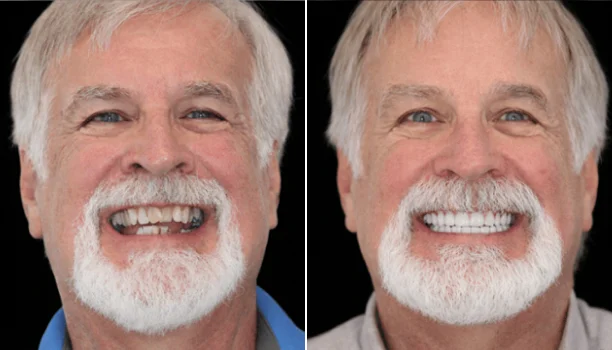
Transformations That Last
Be our Next Success Story!
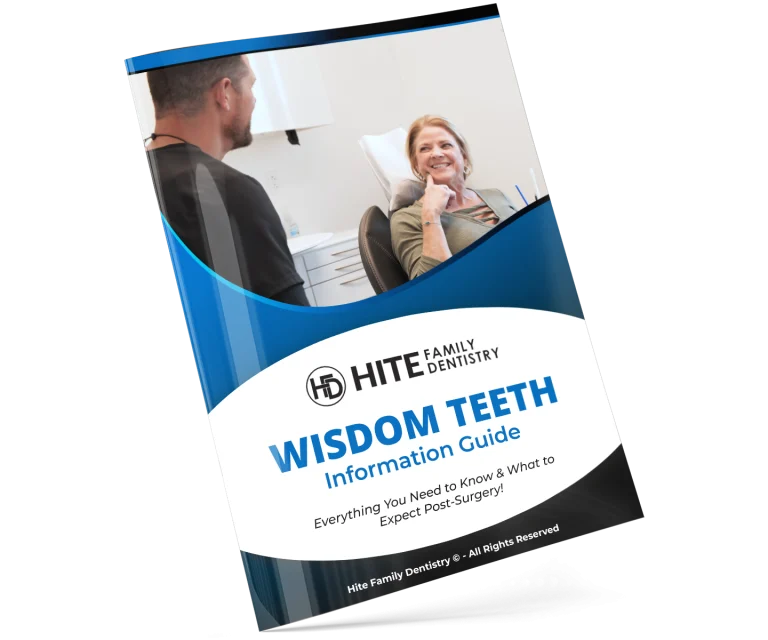
Get Your Wisdom Teeth Information Guide!
In the guide, you’ll learn about:
- Wisdom Teeth Removal Benefits
- Wisdom Teeth Removal FAQ's
- And More!
Benefits of Wisdom Teeth Removal
See What's Possible for Your Smile
Be our Next Success Story!
Request an appointment with one of our doctors and start your smile journey today.
Is Wisdom Teeth Removal Right for You?
Not Sure Where You Stand?
What to Expect During Wisdom Teeth Removal
Consultation and Imaging
Your visit starts with cone beam 3D imaging, which shows the exact position of each wisdom tooth and how close the roots sit to nearby nerves. We walk you through what the images show in plain language, explain which teeth need attention, and answer questions before any decisions are made. You leave knowing exactly what your treatment involves.
Comfort Planning
Before treatment day, we discuss sedation together and choose what fits you best, whether that is nitrous oxide, oral sedation, or IV sedation with our dedicated sedation nurse. We review medical history, timing, and what you should eat or avoid beforehand. Knowing the plan in advance removes most of the anxiety patients carry in.
Treatment Day
You settle in, sedation begins, and the area is fully numbed before anything starts. Most patients feel only gentle pressure and remember very little afterward. Depending on position, teeth come out whole or in sections to protect surrounding bone. Our team checks in with you throughout, and the whole appointment typically moves faster than expected.
Healing and Follow-Up
The site is cleaned and closed, and you receive written aftercare instructions along with a direct line to our team. We schedule a follow-up to confirm everything is healing on track. Most patients are back to normal routines within a few days, and any questions along the way get answered quickly.
Ready to Put This Behind You?
Recovery After Wisdom Teeth Removal
First 24-48 Hours
Expect some swelling and mild discomfort, both of which peak early and then steadily improve. Rest, cold compresses, and soft foods make a noticeable difference during this window. Most patients find over-the-counter pain relief handles things comfortably, and plenty are back on their feet by day two.
First 1-2 Weeks
Swelling continues to fade and eating becomes easier each day as you gradually reintroduce firmer foods. Gentle rinsing keeps the area clean while the gum tissue closes. By the end of the second week, most patients have returned to their normal diet and routine without restriction.
Long-Term Healing
The bone underneath continues filling in quietly over the following weeks and months, though you will not notice it happening. Normal brushing and regular checkups are all that is required. Any lingering questions get answered at your follow-up visit.
Questions About Recovery? We are here to help
Payment Flexibility That Eases Treatment Planning
Don't Wait to Smile. Check out Our Payment Options.
Wisdom Teeth Removal FAQs
Do wisdom teeth always need to be removed?
What age is best for removal?
Will I be awake during treatment?
How long does the appointment take?
Is it painful?
Can all four be removed at once?
How soon can I go back to work or school?
What can I eat afterward?
What if my wisdom teeth do not hurt?
Does insurance cover this?
Still Have Questions?