Sound Familiar to You?
If any of that sounds like your daily routine, there's a simple way forward. Small repairs often make a bigger difference than people expect.
What Waiting Actually Costs
Small chips grow larger
A minor chip catches food and pressure until the crack spreads deeper into the tooth.
Repairs turn into replacements
What bonding could fix today may require a crown or veneer later.
Stains settle in permanently
Surface discoloration soaks deeper into enamel the longer it sits untreated.
Rough edges wear your tissue
Sharp spots rub against your lip and tongue, causing irritation that keeps returning.
Years of hiding your smile
Photos, meetings, and first impressions pass by while you stay guarded.
Chewing shifts to one side
Avoiding a damaged tooth puts uneven strain on everything else.
Addressing small damage early keeps treatment simple and your results natural.
What Is Dental Bonding and How Does It Work?
Dental bonding uses a tooth-colored composite resin, a soft putty-like material that hardens once shaped, to repair and reshape a tooth. We match the shade to your surrounding teeth, apply the material directly to the area being corrected, sculpt it into place, and harden it with a curing light. The finished surface gets polished so it reflects light the same way natural enamel does. Because the material bonds to the tooth itself, most corrections require little or no removal of healthy structure.
Shade matching and shaping are where experience shows, and our team at Hite Family Dentistry takes the time to get both right before anything sets. Patients choosing dental bonding in Edwardsville benefit from digital imaging and intraoral scanning that let us evaluate the tooth closely and plan the repair before treatment begins.
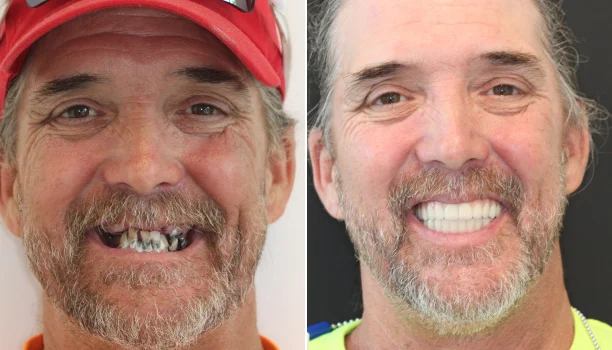
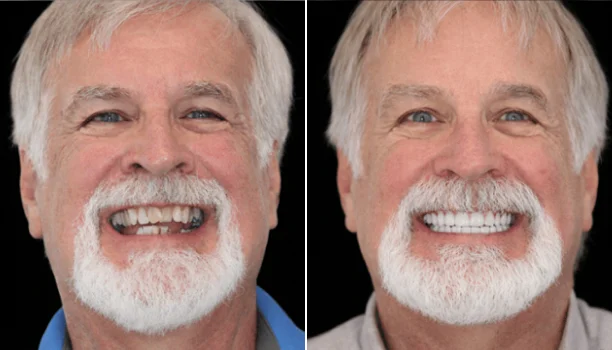
Transformations That Last
Be our Next Success Story!
Benefits of Dental Bonding
See What's Possible for Your Smile
Be our Next Success Story!
Request an appointment with one of our doctors and start your smile journey today.
Is Dental Bonding Right for You?
Not Sure Where You Fall?
What to Expect During Your Bonding Appointment
Shade Matching and Planning
We start by examining the tooth and reviewing what bothers you about it. Using a shade guide alongside intraoral scanning, we select a composite that matches your surrounding enamel in both color and translucency. You'll see exactly what we're planning to correct and agree on the shape before we begin, so there are no surprises once the material is in place.
Shaping and Curing
The tooth surface is lightly prepared so the composite adheres properly, then the material is applied and sculpted directly onto the area. We shape it in layers, checking contour and symmetry against your neighboring teeth as we go. A curing light hardens each layer in seconds. Most patients find this part surprisingly relaxed, since there's no drilling and rarely any need for anesthetic.
Polishing and Final Check
Once the composite is set, we refine the edges and polish the surface until it reflects light the same way natural enamel does. You'll bite down so we can confirm everything feels smooth and nothing catches. Before you leave, you'll see the finished result in a mirror and we'll make any small adjustments you want.
Ready to See Your Smile Whole Again?
Caring for Your Bonding Afterward
First 24-48 Hours
You can eat and drink normally right away, though we suggest going easy on coffee, tea, red wine, and other staining foods for the first two days while the surface fully stabilizes. There's no soreness to manage and no restrictions on your normal routine. Most patients forget anything was done at all.
First Week
Brush and floss as you always have, paying normal attention to the bonded area. Composite resists staining well but doesn't whiten the way natural enamel does, so keeping up with your routine keeps everything matched. Avoid biting fingernails, ice, or pen caps, since composite chips more easily than enamel under that kind of pressure.
Questions About Aftercare? We're here to answer them.
Payment Flexibility That Eases Treatment Planning
Don't Wait to Smile. Check out Our Payment Options.
Dental Bonding FAQs
How long does dental bonding last?
Will anyone be able to tell?
Does bonding hurt?
Can bonding fix a gap between my front teeth?
How is bonding different from veneers?
Will the bonding stain over time?
Can bonded teeth be whitened?
Is bonding permanent?
What if the bonding chips?
Does insurance cover bonding?
Still Have Questions?