Does This Sound Like Your Daily Reality?
If any of that felt familiar, you're not stuck with it. A single missing tooth can be replaced completely.
What Waiting Actually Costs You
Bone Begins to Shrink
The jaw beneath the gap loses volume once the tooth root is no longer there.
Neighboring Teeth Shift
Teeth on either side tilt toward the empty space, changing how your bite meets.
Treatment Grows More Involved
Bone loss and shifting often mean grafting or extra steps are needed later.
Costs Climb Over Time
Additional preparation work adds to what a straightforward replacement would have required.
Opposite Tooth Drifts Down
The tooth above or below the gap moves toward it without anything to meet.
Fewer Options Remain Open
Waiting long enough can narrow which replacement approaches are still possible.
Acting sooner keeps treatment simpler and your outcome stronger.
How a Single Tooth Implant Works
A single tooth implant replaces both the root and the visible part of a missing tooth. A small titanium post takes the place of the root, sitting within the jawbone where it gradually bonds with the surrounding bone over several months. A connector piece attaches to that post, and a custom crown sits on top, shaped and shaded to match the teeth around it. Nothing attaches to your neighboring teeth, so they stay untouched.
At Hite Family Dentistry, we plan every single tooth dental implant in Edwardsville using cone beam 3D imaging and digital impressions, which lets us map bone volume and nerve position before treatment begins. Our in-house lab and 3D printing capability give us direct control over how your crown is designed and how closely it matches your smile.
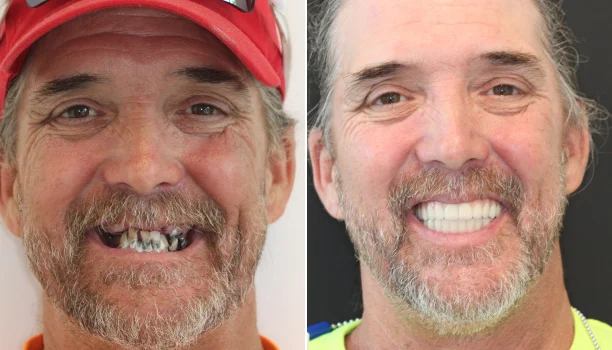
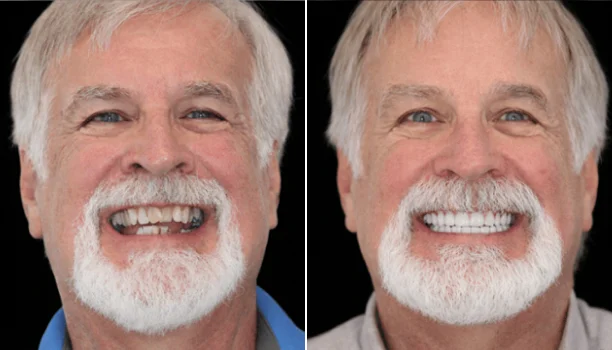
Transformations That Last
Be our Next Success Story!
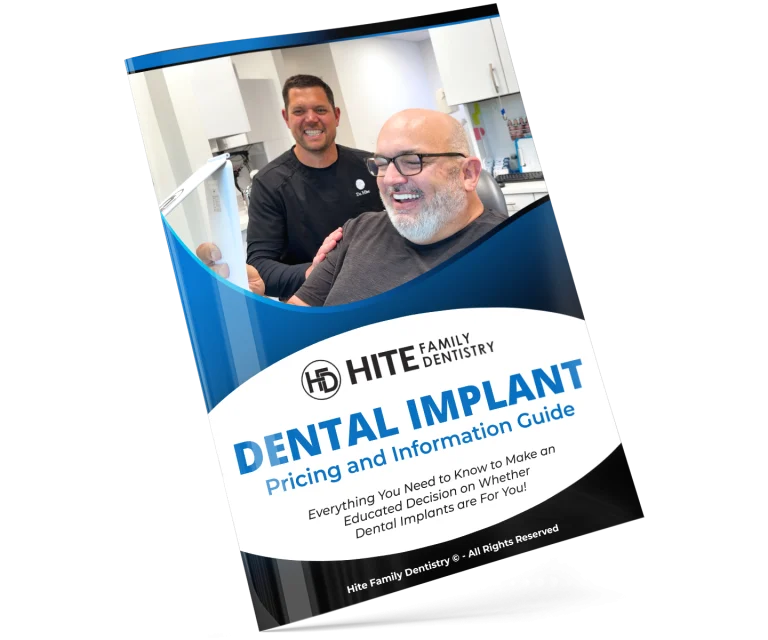
Get Your FREE Dental Implant Pricing Guide + $250 Savings
In the guide, you’ll learn about:
- Dental Implant Options
- Factors That Affect Your Eligibility
- Average Pricing
Benefits of Single Tooth Dental Implants
See What's Possible for Your Smile
Be our Next Success Story!
Request an appointment with one of our doctors and start your smile journey today.
Is a Single Tooth Implant Right for You?
Not Sure Where You Stand?
What to Expect With Your Single Tooth Implant
Consultation and Imaging
We start by talking through what happened to the tooth and what you want the result to feel like. Cone beam 3D imaging and an intraoral scan capture your bone structure and bite in detail, without messy impression material. You leave with a clear picture of your treatment plan and a realistic sense of the timeline ahead.
Planning Your Placement
Using your 3D scan, we map the exact position, angle, and depth for your implant before treatment day arrives. This planning stage lets us account for bone volume and nerve location well in advance. By the time you sit down for placement, every detail has already been decided, which means a shorter, smoother appointment for you.
Implant Placement
On placement day, the area is fully numbed, and nitrous oxide, oral sedation, or IV sedation is available if you'd prefer to relax more deeply. A dedicated sedation nurse stays with you throughout. Most patients describe feeling gentle pressure and nothing more. You head home the same day with the post in place and clear instructions.
Healing and Integration
Over the following months, the post bonds with your jawbone, creating a foundation strong enough to handle everyday chewing. We check in periodically to confirm things are progressing as planned. Many patients wear a temporary during this stage, so your smile stays complete while the important work happens quietly beneath the surface.
Your Final Crown
Once healing is complete, we design your crown using digital impressions and our in-house lab, matching shape and shade to the teeth beside it. The crown attaches securely to the post and is adjusted until your bite feels natural. You walk out with a complete smile that looks and functions like the tooth you lost.
Ready to Stop Thinking About That Gap?
Recovering After Your Single Tooth Implant
First 24-48 Hours
Expect mild swelling and tenderness around the site, both of which settle quickly. Rest, stick to soft foods, and use cold compresses as directed. Over-the-counter pain relief handles the discomfort for most patients, and many return to desk work the very next day.
First 1-2 Weeks
Soreness fades noticeably during this stretch, and you gradually return to a more normal diet as things feel comfortable. Gentle brushing around the area keeps it clean while the tissue heals. By the end of the second week, most patients say they've largely forgotten the site is there.
Long-Term Healing
Over the next several months, the post quietly bonds with your jawbone beneath the surface. There's nothing to do differently during this stage beyond your regular brushing, flossing, and checkups. You go about your life normally while the foundation for your new tooth grows stronger.
Questions About Recovery? We're here to answer them.
Payment Flexibility That Eases Treatment Planning
Don't Wait to Smile. Check out Our Payment Options.
Single Tooth Implant FAQs
Does getting a single tooth implant hurt?
How long does the whole process take?
Will anyone be able to tell it's an implant?
What if I've been told I don't have enough bone?
How do I take care of an implant?
Can I get an implant years after losing the tooth?
Is an implant better than a bridge?
How long will my implant last?
Am I too old for a dental implant?
What does a single tooth implant cost?
Still Have Questions?