Do Any of These Sound Familiar?
If you recognized yourself in that list, you're not alone. Healthy gums are absolutely within reach.
What Waiting Really Costs
Bone Loss Progresses Quietly
Gum disease erodes the bone holding your teeth long before you notice movement.
Pockets Deepen Over Time
Deeper spaces between gum and tooth trap more bacteria and become harder to clean.
Treatment Grows More Involved
Early gum disease responds to cleaning, while advanced cases often require surgical correction.
Loose Teeth Become Lost Teeth
Once support disappears, saving a tooth becomes far more difficult and less predictable.
Costs Multiply With Severity
Advanced gum disease requires more visits, more specialists, and more restorative work later.
Daily Discomfort Becomes Normal
Sore gums and careful chewing start feeling routine when they shouldn't.
Treating gum disease early means simpler care and far better long-term results.
How Periodontal Therapy Restores Gum Health
Periodontal therapy is treatment for gum disease, an infection that affects the gum tissue and bone supporting your teeth. It typically begins with deep cleaning below the gumline, where bacteria collect in spaces that brushing and flossing can’t reach. The goal is to remove that buildup, smooth the tooth roots so gums can reattach, and allow inflamed tissue to heal. Depending on how far the condition has advanced, treatment may involve one visit or several appointments spread over a few weeks.
At Hite Family Dentistry, we measure the health of your gums carefully before recommending anything. Our soft-tissue laser allows us to treat infected tissue with precision and minimal irritation, while cone beam 3D imaging shows us the bone levels beneath your gums that a visual exam alone would miss. Patients seeking periodontal therapy in Edwardsville, IL receive a treatment plan built around their specific measurements, not a one-size-fits-all protocol.
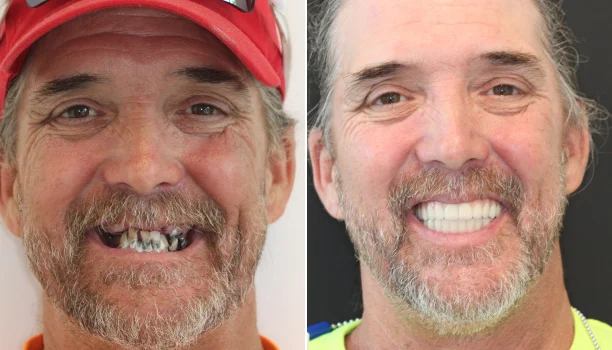
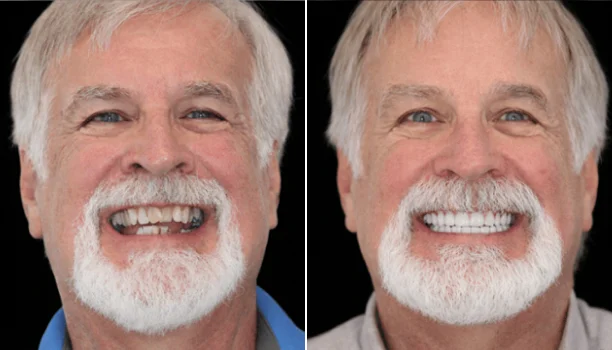
Transformations That Last
Be our Next Success Story!
Benefits of Periodontal Therapy
See What's Possible for Your Smile
Be our Next Success Story!
Request an appointment with one of our doctors and start your smile journey today.
Is Periodontal Therapy Right for You?
Not Sure Where You Stand?
What to Expect During Periodontal Therapy
Complete Gum Assessment
We start by measuring the space between each tooth and the surrounding gum tissue, then use cone beam 3D imaging to see the bone levels underneath. This gives us an accurate picture of where the condition stands rather than an estimate. You'll leave this visit knowing exactly what's happening in your mouth and what treatment would involve.
Personalized Treatment Plan
Together we review your measurements and map out how many visits you'll need and what each one covers. If anxiety is a factor, we discuss nitrous oxide, oral sedation, or IV sedation with our dedicated sedation nurse present. You'll go into treatment with a clear plan and no surprises about what comes next.
Deep Cleaning Below the Gumline
Your gums are fully numbed before we begin removing bacteria and hardened buildup from the tooth roots, then smooth those surfaces so tissue can reattach. Our soft-tissue laser treats inflamed areas with precision and less irritation than traditional methods. Most patients describe the sensation as pressure and vibration rather than anything sharp.
Healing Check and Re-Measurement
A few weeks later we measure your gums again to see how the tissue responded. Improved numbers confirm the treatment worked, and any areas needing more attention get addressed at this point. You'll see the progress in real measurements, which makes the improvement concrete rather than a guess.
Ongoing Maintenance Schedule
Gum health holds steady with regular cleanings on a schedule built around your specific risk level, often every three or four months instead of twice yearly. We show you the home care adjustments that make the biggest difference for your situation. This is the step that keeps your results stable for the long haul.
Ready to Stop Worrying About Your Gums?
Recovering After Periodontal Therapy
First 24-48 Hours
Expect mild tenderness and some sensitivity to hot and cold, which responds well to over-the-counter pain relief. Stick with softer foods and lukewarm drinks during this window, and rinse gently with warm salt water. Most patients return to work and normal activities the same day.
First 1-2 Weeks
Sensitivity fades steadily, and you'll notice your gums looking less red and feeling firmer. Brushing and flossing may feel odd at first as tissue tightens around your teeth, which is a sign healing is going well. By the end of this stretch, most patients say their mouth simply feels cleaner.
Long-Term Healing
Gum tissue continues reattaching to the tooth roots over the following months, and your follow-up measurements will show that progress. Sticking to your maintenance cleaning schedule is what protects the results you worked for. Patients who stay consistent typically keep their gums stable for years.
Questions About Recovery? We're here to help.
Payment Flexibility That Eases Treatment Planning
Don't Wait to Smile. Check out Our Payment Options.
Periodontal Therapy FAQs
Does deep cleaning hurt?
How is this different from a regular cleaning?
Can gum disease be reversed?
How many appointments will I need?
Will my insurance cover periodontal therapy?
What happens if I do nothing?
Is gum disease connected to other health problems?
How often will I need cleanings afterward?
Can I still get periodontal therapy if I haven't been to a dentist in years?
Will my gums recede after treatment?
Still Have Questions?