Does Any of This Sound Familiar?
If you recognize yourself here, you are not stuck with it. A single restoration often settles all of it at once.
Why Waiting Costs You More
Small cracks spread
A hairline fracture travels deeper into the tooth every time you bite down on it.
Decay reaches the nerve
What starts as a surface problem can move inward and involve root canal treatment.
Treatment grows more involved
A tooth that could have been crowned may later need surgery or removal.
Costs climb with complexity
Each added step brings added appointments and added expense.
Your bite shifts
Chewing on one side strains the other, and neighboring teeth start to wear unevenly.
Daily life stays limited
Another season passes of careful chewing and avoided foods.
Treating the tooth now keeps the fix simpler and the outcome stronger.
What Is a Dental Crown?
A dental crown is a custom-made cover that fits over a tooth and restores its shape, strength, and surface. Dentists recommend one when a tooth has a large filling, a fracture, significant wear, or has had a root canal, and the remaining structure needs full coverage rather than a patch. The crown is shaped to match your bite and shaded to match the teeth around it, so it functions and looks like part of your natural smile.
Our approach to dental crown restorations in Edwardsville relies on digital impressions and CEREC technology, which lets us design and mill your crown in our office. At Hite Family Dentistry, we also use cone beam 3D imaging and in-house 3D printing when a case calls for closer planning. Digital scanning replaces the tray-and-putty impressions many patients remember, and it gives us a more precise fit the first time.
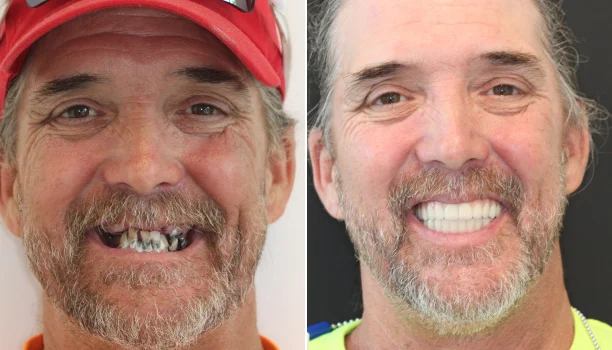
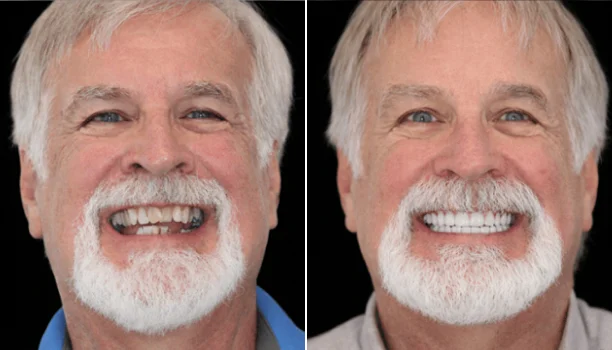
Transformations That Last
Be our Next Success Story!
Benefits of Dental Crown Restorations
See What's Possible for Your Smile
Be our Next Success Story!
Request an appointment with one of our doctors and start your smile journey today.
Is a Dental Crown Right for You?
Not Sure Where You Stand?
What to Expect During Your Crown Treatment
Exam and Planning
Your visit starts with a close look at the tooth using digital imaging, and cone beam 3D scans when a deeper view helps. We talk through what we see on the screen together, so the condition of the tooth is not a mystery. You will hear which material makes sense for that spot in your mouth and why. By the end, you know exactly what the treatment involves.
Preparing the Tooth
We numb the area thoroughly and give the anesthetic time to take full effect before beginning. The tooth is gently shaped so the crown can seat properly, and any decayed or weakened structure is cleared away. Nitrous oxide is available if you would feel more relaxed with it. Most patients describe this part as pressure rather than anything sharp.
Digital Scanning and Design
An intraoral scanner captures the tooth and your bite in a few minutes, with no impression trays or setting material. The scan appears on screen, and we design your crown from it right there, adjusting contours and contact points for the way you actually chew. You can watch the design take shape. This precision is what makes the final fit feel natural.
Placement and Fit
Using CEREC, your crown is milled in our in-house lab while you wait, so most cases finish in a single appointment. We seat the crown, check how it meets the opposing teeth, and refine the bite until it feels right to you. Small adjustments happen before anything is bonded permanently. You leave with a tooth you can use that same day.
Ready to Chew Comfortably Again?
Settling In After Your Crown
First 24-48 Hours
The area may feel slightly tender if the tooth was inflamed beforehand, and mild sensitivity to temperature is common. Stick with softer foods and chew on the other side for the first day. Over-the-counter pain relief handles any discomfort for most patients, though many find they do not need it.
First Week
Your bite settles as you go about normal eating, and the tooth starts to feel unremarkable, which is the goal. Brush and floss the crown exactly as you would a natural tooth. If anything still feels high or catches when you close, a quick adjustment visit takes only minutes.
Questions About Recovery? We are here to answer them.
Payment Flexibility That Eases Treatment Planning
Don't Wait to Smile. Check out Our Payment Options.
Dental Crown FAQs
How long does a dental crown last?
Will getting a crown hurt?
Can I get my crown in one visit?
What are crowns made of?
Will anyone be able to tell?
Do I need a root canal before a crown?
How do I take care of a crown?
Is a crown better than a large filling?
What if my crown feels too high?
Does insurance cover crowns?
Still Have Questions?