Does Any of This Sound Familiar?
If these sound like your experience, there is a path forward. Rebuilding lost bone opens up options you may have been told were unavailable.
What Waiting Really Costs
Bone Loss Continues
Once bone begins receding, the process accelerates without intervention to stop it.
Implant Options Narrow
Less available bone means fewer placement positions and more complex treatment planning.
Treatment Grows More Involved
Advanced loss often requires larger grafts and longer healing timelines.
Neighboring Teeth Weaken
Surrounding teeth lose support and begin drifting or loosening over time.
Facial Structure Changes
The jaw shrinks over time, altering how your lower face looks.
Costs Climb Over Time
More extensive procedures later require greater investment than earlier treatment.
Acting sooner means a simpler graft, shorter healing, and more treatment options ahead.
What Is Bone Grafting and How Does It Work?
Bone grafting rebuilds jawbone that has been lost to extractions, gum disease, or long-term tooth loss. The procedure places grafting material into areas where bone has thinned or receded. Over the following months, your body gradually replaces that material with new, living bone of your own. This restored volume creates the solid foundation that dental implants require and helps hold surrounding teeth in position.
Every case we plan at Hite Family Dentistry begins with cone beam 3D imaging, which shows us the exact shape and density of your jawbone before anything is placed. Patients considering bone grafting in Edwardsville benefit from this level of detail, because we can map graft placement precisely rather than estimating. Our in-house lab and digital planning tools let us tailor the approach to your anatomy.
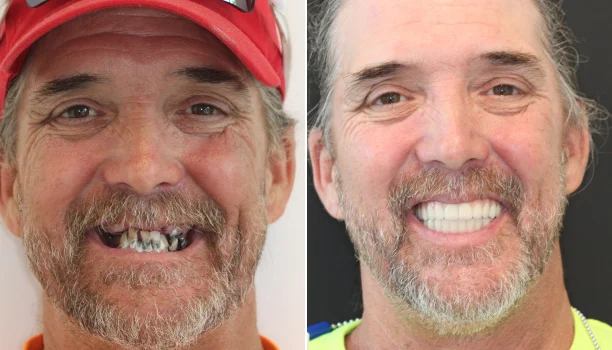
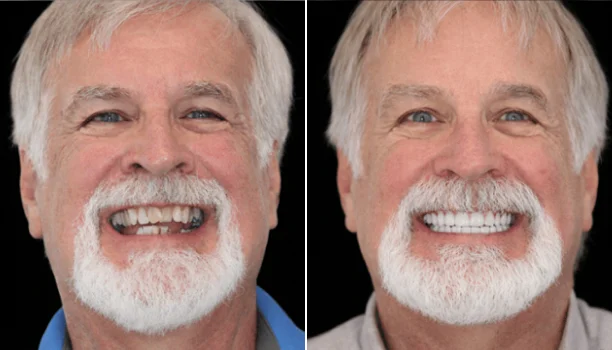
Transformations That Last
Be our Next Success Story!
Get Your Guide To Cosmetic Dentistry!
In the guide, you’ll learn about:
- Cosmetic Options
- Factors and Considerations
- And More!
Benefits of Bone Grafting
See What's Possible for Your Smile
Be our Next Success Story!
Request an appointment with one of our doctors and start your smile journey today.
Is Bone Grafting Right for You?
Not Sure Where You Stand?
Your Bone Grafting Experience Step by Step
Consultation and Imaging
Your first visit starts with a conversation about your goals and any past treatment. We capture cone beam 3D images that show the exact volume and density of bone in the treatment area. Together we review those images on screen so you can see what we see. You leave with a clear understanding of what your treatment will involve.
Treatment Planning
Using your 3D scan, we map exactly where grafting material will go and how much is needed. We select the graft type best suited to your situation and coordinate timing with any future implant placement. You will also choose your comfort option, whether that is nitrous oxide, oral sedation, or IV sedation with our dedicated sedation nurse.
Graft Placement
On treatment day, the area is fully numbed and your chosen sedation keeps you relaxed throughout. We access the site, place the grafting material precisely where planned, and secure it so it stays in position. Most patients describe feeling gentle pressure rather than anything sharp. The visit is typically shorter than people expect.
Healing and Integration
Over the following months, your body gradually replaces the graft material with your own living bone. We check in at scheduled visits to confirm everything is progressing as planned. Duke, our therapy dog, is often around to make these appointments a little easier. You will know at each step exactly where healing stands.
Moving Forward
Once new bone has formed and stabilized, we take updated imaging to confirm the site is ready. If implants were the goal, we can move directly into that phase with a foundation built to support them. For many patients this is the moment treatment they were told was impossible becomes straightforward.
Ready to Rebuild What You Thought Was Lost?
What to Expect After Bone Grafting
First 24-48 Hours
Expect mild swelling and some tenderness around the treatment site, both of which are completely normal. Rest, cold compresses, and soft foods make these first days easy to get through. Most patients find that over-the-counter or prescribed relief handles any discomfort well.
First 1-2 Weeks
Swelling settles noticeably and most people return to their usual routine within a few days. You will stick with softer foods and gentle cleaning around the area during this stretch. By the end of the second week, most patients say the site barely registers.
Long-Term Healing
New bone forms gradually over the following months, and this phase requires nothing more than normal daily habits. We monitor progress with scheduled check-ins and imaging to confirm everything is developing as planned. You will feel completely normal long before healing finishes internally.
Questions About Recovery? We're here to answer them.
Payment Flexibility That Eases Treatment Planning
Don't Wait to Smile. Check out Our Payment Options.
Bone Grafting FAQs
Does bone grafting hurt?
How long does the bone take to heal?
Where does the grafting material come from?
Can I get implants without a bone graft?
Am I too old for bone grafting?
What happens if I skip the graft?
Is sedation available for this procedure?
How soon can I return to work?
Will my insurance cover bone grafting?
Can bone grafting fail?
Still Have Questions?