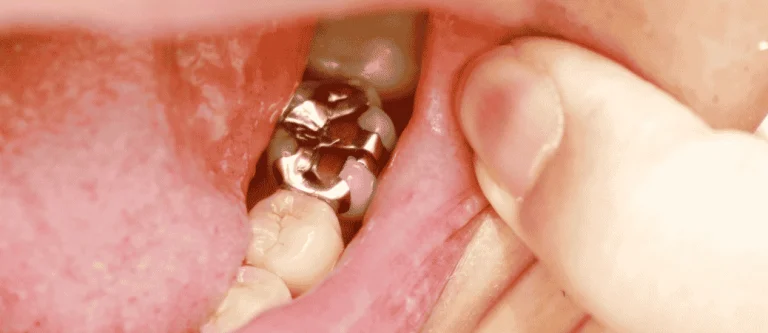

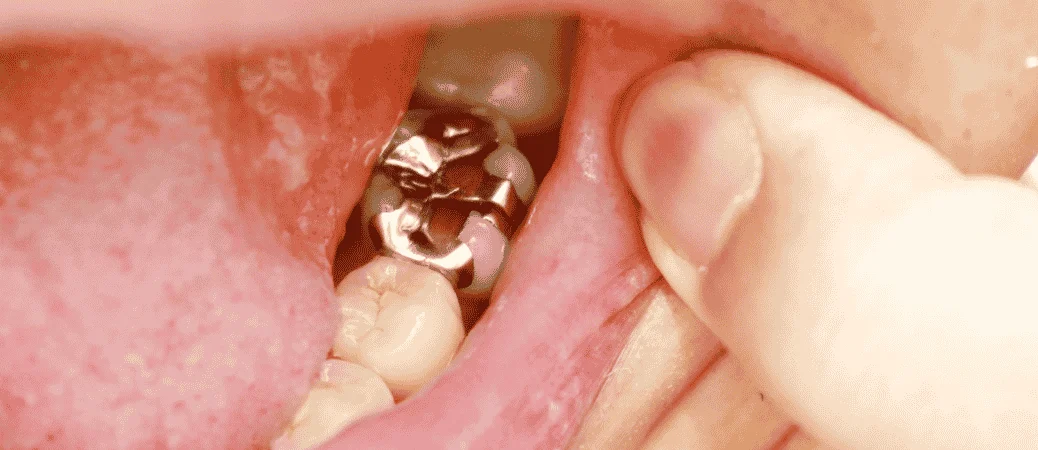
The lifespan of dental restorations depends on several factors, including the material used, the condition of the tooth, and daily oral habits. Many fillings and crowns last a decade or longer, but individual results vary.
That difference is important when you weigh options. A filling on a small front-tooth chip faces very different conditions than a large filling on a back molar in someone who grinds at night.
Researchers see this pattern again and again: the material counts, but so do the tooth, the mouth around it, and how carefully the work was placed.
At Hite Family Dentistry, patients can have their existing fillings and crowns evaluated as part of restorative dentistry to determine whether monitoring, repair, or replacement makes sense.
Key Takeaways
- Most modern fillings and crowns are still working 10 years after placement.
- Survival rates describe groups of teeth and do not predict one tooth’s exact lifespan.
- Small repairs often keep a restoration working longer than a full replacement.
How Long Do Different Dental Restorations Last?
Indirect restorations made in a lab, such as gold and porcelain-fused-to-metal crowns, post the highest long-term survival numbers, with amalgam and modern composite fillings close behind.
Glass ionomer fillings trail the group when they are used alone on chewing surfaces, though they shine in specific spots like baby teeth and the gum line.
Dentists sort restorations into two groups. Direct restorations are placed in one visit right in your mouth (fillings). Indirect restorations are made outside the mouth and cemented in place (crowns, inlays, onlays).
The following figures come from a 2015 literature review of studies published between 1974 and 2014.
They provide historical survival estimates, not guaranteed outcomes for restorations placed today. Materials, techniques, and follow-up periods have changed since those studies were conducted.
| Restoration | Reported survival | Time frame |
| Amalgam filling | 95% | 10 years |
| Composite resin filling | 90% | 10 years |
| Glass ionomer filling | 65% | 5 years |
| Gold crown or inlay | 96% | 10 years |
| Porcelain-fused-to-metal crown | 90% | 10 years |
| All-ceramic crown | 75–80% | 10 years |
Notice that the glass ionomer figure covers five years, not ten. Comparing a five-year number to a ten-year number side by side makes a material look worse or better than it is, so keep the time frame in mind.
What Does Research Show About Composite and Amalgam Fillings?
Both materials perform well. In that same review, dental amalgam had a median survival time of about 22.5 years, and 95% of amalgam fillings lasted at least 10 years.
Composite resin restorations came in at about 90% over 10 years.
Composites have improved a great deal. Early composite materials failed at rates as high as 50% within a decade. Modern hybrid composites show annual failure rates of roughly 1.5% to 2%, and fracture is the most common reason they give out.
Keep that history in mind when you read older comparisons. A study of 1990s composites says little about the tooth-colored filling you would receive today.
Large reviews of posterior restorations and reasons for failure have found amalgam lasting longer than composite in back teeth, yet composite bonds to the tooth and lets your dentist remove less healthy structure.
In practice, many patients choose composite for looks and conservation. Amalgam still holds up well in spots where keeping the area dry is hard.
If you want a small chip or gap fixed on a front tooth, dental bonding uses the same composite material.
How Long Do Glass Ionomer Restorations Last?
Glass ionomer cement has the shortest track record when used alone in adult teeth. In permanent teeth it shows a median survival of 30 to 42 months and an annual failure rate near 7%.
In baby teeth, the picture is much brighter: 93% to 98% survive for the life of the tooth.
That gap comes down to strength. Glass ionomer releases fluoride and bonds chemically to the tooth, but it wears faster under heavy biting. Dentists favor it for:
- Fillings near the gum line (Class V cavities)
- Baby teeth
- Liners under composite fillings
- Patients with high cavity risk who benefit from fluoride release
Resin-modified glass ionomer adds resin to the mix. It sets harder and handles moisture better during placement, which makes it a common pick for root-surface cavities in older adults.
How Do Crowns and Gold Restorations Compare?
Gold remains the benchmark. Gold crowns and inlays show survival of 96% at 10 years, 87% at 20 years, and 74% at 30 years, with a mean annual failure rate of about 1.4% in back teeth.
Secondary decay is the most common biological cause of failure, and loss of retention (the crown coming loose) is the most common technical cause.
Porcelain-fused-to-metal crowns reach about 90% at 10 years. All-ceramic crowns range from 75% to 80% over 10 years, with lithium disilicate (eMax) near 90% and zirconia at 88% over five years in the reviewed studies.
Ceramic technology keeps changing, so newer materials have shorter follow-up data. If you are weighing dental crown restorations, ask your dentist which material suits your bite, how visible the tooth is, and how much natural structure remains.
Patients curious about single-visit options can also look at same-day CEREC crowns.
What Do Restoration Survival Rates Actually Mean?
A survival rate tells you what share of restorations in a study were still in place and working at a set time point. It answers “how many made it to year 10?” for a group, which is a different question from “how long will mine last?”

Survival Rates vs. Average Lifespan
Researchers in restorative dentistry count a restoration as “survived” if it is still present and doing its job, even if it has small flaws. It counts as failed when it had to be replaced, repaired, or removed, or when the tooth was lost.
Many studies grade restorations with the U.S. Public Health Service criteria. Two examiners score features like color match, edges, and signs of new decay on a scale from Alpha (ideal) to Bravo (acceptable with minor flaws) to Charlie (failed). A Bravo filling still counts as surviving.
Here is why that distinction counts:
- A 90% ten-year survival rate means 9 out of 10 restorations were working at 10 years. It does not mean each filling lasts 10 years.
- A median survival time, like amalgam’s 22.5 years, is the point where half the group had failed and half had not.
- Annual failure rates add up. A 2% yearly rate sounds tiny, yet across many years it shapes the long-term picture.
Five-year and ten-year findings also differ in weight. Early failures often come from placement problems, while later ones lean toward new decay and wear.
Why Study Results Are Not a Personal Expiration Date
Study numbers average together thousands of teeth, mouths, and dentists. Your tooth sits somewhere on that curve, and where it lands depends on factors no table can see.
Some restorations in a study fail in year two. Others are still going strong at year thirty.
The 2024 integrated review in Dentistry Journal groups the drivers into tooth, patient, and dentist factors, which is a useful way to think about your own situation.
So if your filling has passed the “average” mark, there is no reason to worry. If it looks healthy at your exam, it is doing its job.
What Makes One Restoration Last Longer Than Another?
Large fillings on back molars in mouths with active decay fail sooner than small fillings on front teeth in mouths with low cavity risk. Placement conditions, such as keeping the tooth dry during bonding, shift the odds further.

Tooth Location, Restoration Size, and Chewing Forces
Posterior restorations on molars and premolars carry most of your chewing load. Molars show lower survival rates than anterior restorations on front teeth, partly because back-tooth fillings tend to be larger and take heavier forces.
Size plays a big role. A larger filling covers more surface, which gives decay more edges to sneak under and leaves less natural tooth to support it.
Class II restorations, which wrap around the side of a back tooth between teeth, face both heavy biting and hard-to-clean contact areas.
Endodontically treated teeth need extra thought. After root canal treatment, a back tooth has lost much of its inner structure, so dentists often recommend a crown to protect it from cracking.
Bruxism (grinding or clenching) adds stress that wears and chips restorations. A custom night guard protects both your natural enamel and your dental work.
Caries Risk, Saliva, and Daily Habits
New decay around the edges of a filling, called secondary caries, is one of the top reasons restorations get replaced. A high cavity rate goes hand in hand with shorter restoration life.
Several patient-related factors feed into that risk:
- Oral hygiene: Plaque left along a filling’s edge produces acid that eats at the tooth next to it.
- Fluoride toothpaste: Twice-daily use strengthens the enamel bordering your restorations.
- Salivary flow: Saliva rinses and buffers acid. Many medications reduce it, and the review notes reduced salivary flow as one reason failures climb in older patients.
- Diet: Frequent sipping of sugary or acidic drinks keeps the mouth acidic for long stretches.
Professional visits help catch trouble early. Regular dental cleanings remove buildup at restoration edges that your brush misses.
Placement Technique and the Condition of the Tooth
Dentist-related factors show up clearly in the data. More experienced clinicians post higher survival rates, and patients who change dentists often have their restorations replaced more frequently.
Bonded fillings depend on moisture control. Saliva or blood on the tooth during bonding weakens the seal, which opens the door to microleakage, tiny gaps where bacteria and fluid seep in.
Careful cavity preparation that removes decay while keeping healthy tooth helps the filling stay strong.
The tooth’s starting condition counts too. Cavities that reach below the gumline or between teeth are harder to isolate and seal than cavities on the flat chewing surface.
Does an Aging Restoration Need to Be Replaced?
An older restoration only needs replacing when it has failed or is clearly heading that way. Many worn or slightly stained fillings can be monitored, polished, or repaired for years.
Replacement carries a cost beyond the bill. Each time a filling is drilled out, a bit more healthy tooth goes with it, and the next filling ends up larger.
A 2024 study reports that managing defective restorations may account for up to 60% of general dentists’ procedures. This includes decisions about monitoring, repairing, or replacing dental work, not replacement alone.
When Monitoring or Repair May Preserve More Tooth
A small chip, a stained edge, or a rough spot does not mean the whole filling has failed. Your dentist can often smooth, polish, or patch the area with fresh composite.
Research backs this approach. A practice-based study of repaired restorations found that repairs extend restoration longevity while saving tooth structure. Good candidates for monitoring or repair include:
- Minor surface staining with sealed edges
- A small chip away from the biting contact
- A worn area with no decay underneath
- A slightly rough edge that traps floss
In our experience, patients are often relieved to hear that “keep an eye on it” is a real treatment plan when the X-rays and exam look stable.
When Replacement Becomes the Better Option
Restoration replacement makes sense when the problem goes deeper than the surface. Signs your dentist watches for include:
- Decay spreading under the filling
- A crack through the restoration or tooth
- A loose or dislodged crown
- Large gaps at the edges that trap food
- Ongoing sensitivity or pain when biting
Sometimes a large failing filling is best swapped for a crown that holds the tooth together. For a full rundown of warning signs, see what happens when dental implants or restorations begin to fail and how dentists respond.
The Best Lifespan Estimate Is Personal to Your Tooth

Your tooth’s own exam history gives a better forecast than any study average.
Research shows that most modern fillings and crowns are still working at 10 years, with gold leading, amalgam and composite close behind, and glass ionomer best suited to specific spots.
Those figures describe groups. Your restoration’s future depends on where it sits, how large it is, your cavity risk and saliva, any grinding habit, and how it was placed.
Survival in a study also includes restorations with small flaws, so a less-than-perfect filling can still be a healthy one.
The most practical step is simple: keep your checkups, use fluoride toothpaste, wear a night guard if you grind, and ask about repair before replacement.
If you want a clear read on the fillings or crowns you have now, the team at Hite Family Dentistry can check them as part of your restorative dentistry care and talk through your options.
Frequently Asked Questions
How long do dental restorations usually last?
Many dental restorations last 10 years or longer. A 2015 literature review reported approximately 90% survival at 10 years for composite fillings and porcelain-fused-to-metal crowns, but individual outcomes depend on the material, tooth condition, and oral habits.
Can composite fillings last 20 years?
Yes, some composite fillings last 20 years or longer, especially small ones in low-stress spots.
Modern hybrid composites fail at about 1.5% to 2% per year, so many make it well past a decade. Large back-tooth fillings face more wear and reach that mark less often.
How long do composite fillings last on front teeth?
Front-tooth composite fillings tend to outlast back-tooth fillings because front teeth carry lighter biting forces. They are more likely to need polishing or touch-ups for staining than full replacement. Avoiding habits like biting nails or opening packages with your teeth helps them last.
Do fillings on back teeth wear out faster?
Yes, fillings on molars show lower survival rates than those on front teeth. Back-tooth fillings are larger, take more chewing force, and often sit between teeth where decay starts easily. Grinding adds even more stress.
Does an old filling need replacing if it does not hurt?
No, a filling that looks sound on exam and X-rays does not need replacing just because of its age. Pain-free fillings can still hide decay, which is why regular checkups count. If your dentist finds a small flaw, a repair often saves more tooth than a full replacement.