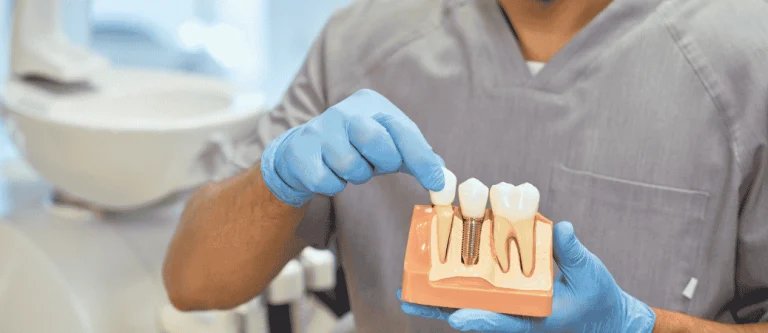

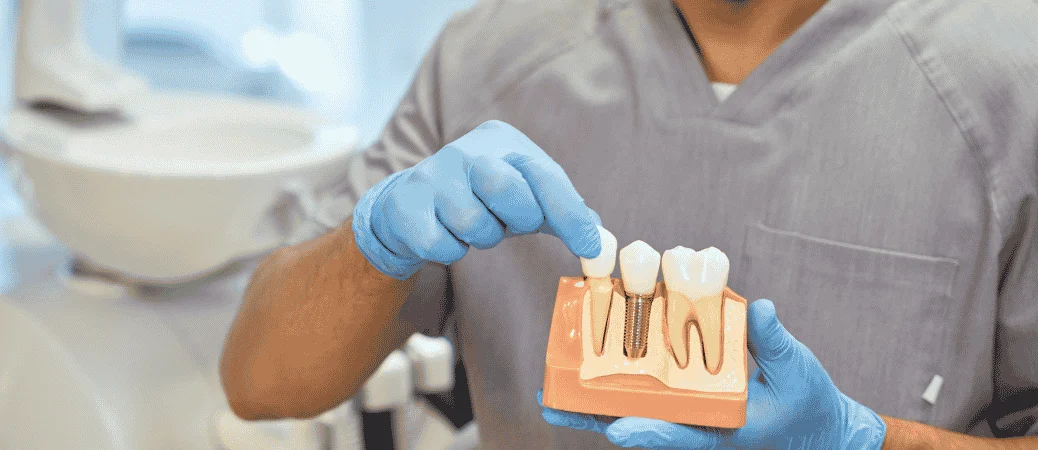
When your dental implant feels loose, it can catch you off guard. You expect dental implants to stay firm and stable, so any movement can cause worry. Ignoring it can make the problem worse.
If your implant feels loose, contact your dentist right away so they can check whether the crown, screw, or implant itself has shifted and treat it before more damage occurs.
Sometimes only the crown or abutment screw has loosened, which your dentist can tighten. In other cases, bone loss, infection, or healing problems may affect the implant and need prompt care.
You protect your investment and your oral health when you act fast. Knowing the warning signs and what steps to take can help you avoid bigger problems and keep your dental implants strong for years.
Key Takeaways
- A loose dental implant needs prompt dental care to prevent further damage.
- Movement may come from a loose crown, screw, or a deeper bone issue.
- Early treatment improves the chances of saving your implant.
Recognizing When a Dental Implant Feels Loose
A healthy implant should feel solid and stable every day. If you notice movement, pressure, or pain, you need to know what that change means and how serious it may be.
How a Secure Implant Should Feel
A secure dental implant feels like a natural tooth. It does not move when you chew, talk, or press on it with your tongue.
You should not feel shifting or clicking. The implant should stay firm in your jaw, even when you eat harder foods like apples or meat.
Your gums around the implant should look pink and fit snug against the tooth. Mild tenderness right after surgery is normal, but once healing is complete, you should not feel pain.
If your dental implant feels loose months or years after placement, that is not normal. Implants are designed to fuse with your jawbone and stay fixed in place.
Warning Signs of Looseness
A dental implant feels loose in different ways. Some people notice a slight wiggle. Others feel pressure or movement when chewing.
Common warning signs include:
- A wobbly implant when you push on it
- Pain when biting down
- Swelling or redness around the gums
- A bad taste or odor near the implant
- A change in how your teeth fit together
You may also feel a small clicking sensation. That often points to a loose crown or loose abutment instead of a loose implant post.
Never ignore early movement. Small changes can turn into bigger problems if you wait.
Difference Between Loose Crown, Abutment, and Implant
Not every loose implant means the entire post failed. The problem may involve a smaller part.
Here is how they differ:
| Part | What It Is | What You May Feel |
| Loose crown | The visible tooth on top | Movement at the top only |
| Loose abutment | The connector under the crown | Slight wobble or rotation |
| Loose implant | The metal post in bone | Deep movement or shifting |
A loose crown is often the simplest fix. Your dentist can tighten or replace it.
A loose abutment may cause mild movement but the implant itself stays secure. A true loose implant feels unstable at the gum level and may move with pressure.
Understanding the difference helps you explain your symptoms clearly during your visit.
Symptoms Requiring Immediate Attention

Some signs need fast action. Do not delay care if you notice:
- Strong or throbbing pain
- Pus or drainage near the implant
- Bleeding that does not stop
- Rapid swelling of the gums or face
- Fever along with implant pain
These signs may point to infection or bone loss. In some cases, infection around implants can lead to failure if not treated early.
If your dental implant feels loose and pain increases quickly, call your dentist right away. Fast treatment can protect your bone and improve the chance of saving the implant.
Common Causes of a Loose Dental Implant
When your implant feels loose, something has affected its bond with your jaw or the parts attached to it. The problem may involve healing, infection, bone changes, or excess pressure on the implant.
Problems During Osseointegration
Osseointegration is the process where the implant post fuses with your jawbone. This step creates long-term implant stability. If this bond does not form correctly, you may have failed osseointegration.
Failed osseointegration often happens within the first few months after surgery. Smoking, uncontrolled diabetes, infection, or poor bone quality can interfere with healing.
If the bone does not attach firmly to the implant surface, the implant can move when you chew.
You might notice slight shifting, discomfort, or pressure around the site. A loose feeling soon after placement is a warning sign.
Early movement can lead to full implant failure if you do not treat it quickly. Your dentist may need to remove the implant, allow healing, and sometimes place a new one after the bone recovers.
Peri-Implantitis and Gum Infections
Peri-implantitis is a serious infection that affects the gum and bone around your implant. It is similar to advanced gum disease, but it develops around an implant instead of a natural tooth.
You may notice:
- Red or swollen gums
- Bleeding when brushing
- Pus or a bad taste
- Tenderness around the implant
The infection slowly destroys the bone that supports your implant. As bone levels drop, implant stability weakens.
Poor oral hygiene, smoking, and missed dental visits raise your risk. Bacteria collect under the gum line and trigger inflammation. Without treatment, the implant can loosen and eventually fail.
Bone Loss or Jaw Deterioration
Your implant depends on strong, healthy bone for support. If your jawbone shrinks or weakens, the implant may lose its firm hold.
Bone loss can result from untreated gum disease, long-term infection, or medical conditions that affect bone density. Even years after placement, bone changes can reduce support around the implant post.
In some cases, the implant itself remains intact, but the surrounding bone thins out. You may feel slight movement when chewing or pressing on the area.
Dentists confirm bone loss with X-rays. Treatment may include deep cleaning, surgery, or bone grafting to rebuild support.
Improper Implant Placement or Overloading
Improper implant placement can reduce stability from the start. If the implant sits at the wrong angle or lacks enough surrounding bone, it may not handle normal bite forces well.
Bite pressure also plays a major role. If you grind your teeth or chew hard foods, you place extra stress on the implant. A poorly adjusted bite or heavy force on a temporary crown can strain the implant before it fully heals.
This repeated stress is called overloading. It can cause tiny movements that prevent proper bonding with the bone. Over time, that movement may lead to loosening.
Sometimes the issue involves a loose crown or screw rather than the implant post.
Addressing pressure and alignment early protects your implant and helps it last longer.
What to Do If Your Implant Feels Loose
If your implant feels loose, act quickly and protect the area. Small steps now can prevent bone loss, infection, or full implant failure.
Dos and Don’ts While Waiting for Treatment
If you notice a loose dental implant, reduce pressure right away. Chew on the other side of your mouth and avoid hard, sticky, or crunchy foods.
Stick to soft foods like yogurt, eggs, soup, and pasta. Do not test the implant by pushing it with your tongue or fingers. Movement can make the problem worse.
Keep the area clean. Brush gently with a soft toothbrush and rinse with warm salt water. If a loose abutment or crown seems to be the issue, avoid twisting or tightening it yourself.
Do:
- Eat soft foods
- Keep the area clean
- Call your dentist
Don’t:
- Chew ice or hard candy
- Wiggle the implant
- Delay making an appointment
When to Call Your Dentist
Call your dentist as soon as you notice the implant feels loose. A dental implant should never move. Early care often makes treatment simpler.
You need urgent care if you have:
- Pain when biting
- Swelling or bleeding gums
- A bad taste or pus
- Fever
Sometimes the problem is minor, like a loose abutment or crown screw. In that case, your dentist can tighten or replace the part.
Other times, bone loss or infection causes the implant itself to loosen. Quick treatment improves the chance that a loose dental implant can be fixed instead of removed.
Avoiding Mistakes and DIY Fixes
Do not try to fix a loose dental implant at home. Hardware store glue, over-the-counter cement, or online repair kits can damage the implant and your gums.
You also risk trapping bacteria under the crown. That can lead to infection and bone loss around the implant.
Many cases involve a loose screw, crown, or abutment rather than the implant post itself.
Let your dentist take X-rays and check the bone around the implant. Professional care gives you the best chance to save your implant and avoid more complex treatment later.
Diagnosis and Treatment Options
Your dentist must find out what is moving and why. Treatment can range from a simple screw tightening to full implant removal and replacement, depending on bone support and infection.
Identifying the Loose Component
You need to know if you have a loose crown, a loose abutment, or a loose implant post in the bone. Each problem has a different fix.
If only the crown moves, the implant under it may still be stable. You might feel a slight wiggle when you chew, but no deep pain in the jaw.
If the abutment screw loosens, the crown and abutment may shift together. This often causes a clicking feeling when you bite.
If the implant post itself moves, that is more serious. Movement in the post can point to bone loss or failed osseointegration, which is when the implant never fully fused to your jawbone.
Your dentist will gently test each part to see where the movement starts.
Professional Assessment and Imaging

Your dentist will examine the gums around the implant. They will look for swelling, bleeding, pus, or gum pockets that suggest infection.
X-rays are critical. They show bone levels around the implant and help detect early dental implant failure.
If the bone has shrunk or pulled away from the implant threads, the image will show dark spaces. That means the implant has lost support.
In some cases, your dentist may use 3D imaging. This gives a clearer view of bone thickness and helps plan implant removal and replacement if needed.
You should never try to adjust the implant at home. A proper exam protects your jawbone and any nearby teeth.
Tightening or Replacing Crowns and Abutments
If you have a loose crown, treatment is often simple. Your dentist may remove the crown and tighten the screw that holds it in place.
If cement caused the problem, they may clean the area and re-cement or replace the crown. Damaged screws or worn parts get replaced.
When the abutment is loose, your dentist will remove the crown first. Then they will inspect the internal threads and anti-rotation features before tightening or replacing the abutment.
These fixes usually take one visit. Once secure, the implant can continue to function and help you replace missing teeth without further surgery.
You still need follow-up visits to make sure the problem does not return.
Implant Removal, Bone Grafting, and Replacement
If the implant post moves in the bone, removal may be necessary. This often happens with severe bone loss, infection, or failed osseointegration.
During implant removal, your dentist or oral surgeon numbs the area. They carefully unscrew or lift the implant from the jaw.
If bone has deteriorated, you may need bone grafting. The graft rebuilds lost bone and creates a stable base for a future implant.
Healing can take several months. After the bone strengthens, your dentist can place a new implant to replace missing teeth again.
This process takes time, but it can restore function if dental implant failure occurs. Acting early improves your chances of saving bone and limiting treatment steps.
Preventing Future Dental Implant Problems
You protect your implant by keeping your mouth clean, seeing your dentist on schedule, and controlling habits that add stress. Small daily steps lower your risk of peri-implantitis, implant failure, and loss of implant stability.

Oral Hygiene and Care Tips
You need steady, careful cleaning to protect your dental implants. Plaque can build up around the gum line and lead to peri-implantitis, a serious infection that damages bone and weakens implant stability.
Brush twice a day with a soft-bristled toothbrush. Angle the brush toward the gum line and clean around the implant crown with small, gentle strokes.
Floss once a day. You can use implant-safe floss, floss threaders, or small interdental brushes to clean tight spaces.
Focus on these daily habits:
- Brush for two full minutes
- Clean along the gum line
- Rinse with an alcohol-free mouthwash if your dentist recommends it
- Avoid biting hard items like ice or pens
If you notice redness, bleeding, or swelling around the implant, act fast. Early treatment can stop infection before it leads to implant failure.
Regular Check-Ups
You should see your dentist at least twice a year, or more often if they recommend it. Regular visits help protect implant stability and catch problems early.
Your dentist will:
- Check for gum inflammation
- Measure pocket depths around the implant
- Take X-rays if needed to check bone levels
- Tighten loose screws or parts if needed
Some implants feel loose because the crown or abutment screw shifts, not the implant post itself. A dental exam can tell the difference.
Do not skip visits even if everything feels normal. Bone loss from peri-implantitis can happen with little pain at first.
Managing Risk Factors Like Bruxism
Teeth grinding, also called bruxism, puts strong pressure on dental implants. That pressure can reduce implant stability over time.
You may not know you grind your teeth. Signs include jaw pain, headaches, or worn-down teeth.
If you grind at night, your dentist may suggest a custom night guard. This clear device spreads out biting force and protects your implant from overload.
Also pay attention to daily habits. Avoid chewing ice, hard candy, or very tough foods. Try not to clench your teeth during stress.
Excess force is a known risk factor in implant problems.
Choosing Experienced Dental Professionals
Your choice of dentist affects long-term implant stability. Proper planning, placement, and follow-up care reduce the risk of implant failure.
An experienced provider will:
- Evaluate bone quality before surgery
- Use detailed imaging to guide placement
- Check healing closely in the first months
- Monitor gum health at each visit
Early implant failure often links to infection or poor healing. Careful technique and follow-up lower these risks.
If you ever feel movement, pain, or swelling, seek care quickly. Acting early gives you the best chance to protect your dental implants and avoid serious complications.
Frequently Asked Questions
A loose implant can mean a simple screw issue or a more serious problem like bone loss. Quick action helps protect the implant and lowers the risk of costly treatment.
What are the most common signs that an implant crown is coming loose?
You may notice the crown moves slightly when you touch it with your tongue or finger. It might click when you chew or feel different when you bite down.
Some people feel mild soreness around the gum line. In many cases, the implant post in the bone stays stable, but the crown or abutment screw has loosened.
If my implant tooth wiggles slightly, should I treat it as an emergency?
Yes, you should treat any movement as urgent. A healthy implant should not move at all.
Call your dentist as soon as possible. A small problem, like a loose screw, can turn into damage to the implant or surrounding bone if you ignore it.
Why would a dental implant screw keep loosening over and over?
Repeated loosening often means excess force hits the implant. Teeth grinding, a misaligned bite, or heavy chewing pressure can cause this.
In fact, studies note that screw loosening is one of the more common implant complications over time, especially with single crowns.
Your dentist may adjust your bite or recommend a night guard to reduce stress on the implant.
Can a loose dental implant be saved, or does it usually need to be replaced?
Many loose implants can be saved if you act early. If only the crown or abutment is loose, your dentist can often tighten or replace that part.
If the implant post failed to bond with the bone or bone loss occurred, your dentist may need to remove it.
What should I do right away if my implant feels loose but I don’t have any pain?
Do not chew on that side of your mouth. Avoid hard or sticky foods that could make the problem worse.
Call your dentist and schedule a visit. Even without pain, movement can signal infection, screw loosening, or bone changes that need prompt care.
How much does it typically cost to fix a loose dental implant or crown?
Costs depend on what is loose. Tightening or replacing a small screw usually costs far less than removing and replacing a failed implant.
If bone grafting or a new implant is needed, the price rises because the treatment is more complex. Your dentist will take X-rays and give you a clear estimate before starting any work.