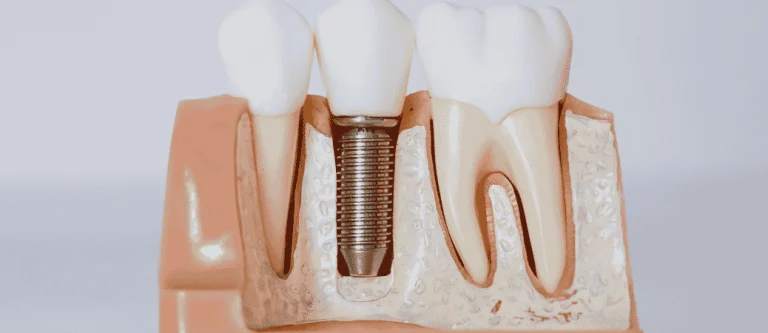


You may wonder if you waited too long to fix a missing tooth. Maybe it has been years since your extraction, and you worry that your chance for dental implants has passed.
In most cases, you can still get dental implants even if you have been missing teeth for years. Modern dental technology can often treat bone loss and gum changes that happen over time.
Dentists now use tools and techniques that make implants possible for many people who thought they were not candidates.
When you understand what happens to your jaw after tooth loss and how today’s treatments work, you can make a clear and confident choice about your smile.
Key Takeaways
- You can often get dental implants years after losing a tooth.
- Bone loss and gum changes may require extra treatment before placement.
- Modern dental methods help many people qualify for implants long after extraction.
What Happens to Your Jaw and Gums After Long-Term Tooth Loss
When you have been living with missing teeth for years, changes happen below the surface.
Your jawbone, gums, and even nearby teeth shift in ways that affect your bite, your oral health, and your facial shape.
Bone Resorption and Jawbone Changes
After tooth loss, your jawbone no longer receives pressure from chewing. That pressure normally keeps the bone strong and active.
Without it, your body begins a process called bone resorption, where it slowly breaks down bone tissue.
Bone loss can start within months and continue for years. In the first year alone, you can lose a noticeable amount of bone width in the area. Over time, the jawbone becomes thinner and shorter.
The part of the jaw that holds tooth roots, called the alveolar bone, shrinks the most. If you wait many years, this can lead to severe bone loss, which makes implant placement more complex.
Bone shrinkage can continue long term if you do not replace the tooth. Your dentist may recommend bone grafting to rebuild lost structure before placing an implant.
Impact on Surrounding Teeth and Bite
When you have missing teeth, nearby teeth do not stay still. They begin to drift into the open space.
Teeth next to the gap may tilt inward. The opposing tooth above or below the gap may move out of position because it no longer has contact. This shifting can change how your teeth meet when you bite.
You may notice:
- Uneven chewing
- Food getting trapped more often
- Jaw soreness or tension
- Faster wear on certain teeth
As your bite changes, pressure spreads unevenly across your mouth. That stress can increase the risk of cracks, gum problems, and even more tooth loss.
Over time, small changes in alignment can turn into larger bite issues that require orthodontic or restorative treatment.
Effects on Oral Health and Facial Structure
Long-term tooth loss also affects your gums and overall oral health. Gums around the missing area may shrink or appear uneven. In some cases, receding gums expose more of the tooth surface on nearby teeth.
If you already have gum disease, such as periodontitis, bone loss can progress faster. Infection and inflammation weaken the structures that support your teeth and jawbone health.
Changes in the jawbone can also affect how your face looks. As bone volume decreases, the lower part of your face may lose support. This can lead to:
- A sunken look in the cheeks
- Thinner lips
- More lines around the mouth
These changes do not happen overnight. They develop slowly over years, especially when missing teeth remain untreated.
Are You Still Eligible for Dental Implants After Years?
You can still qualify for dental implants even if you have had a missing tooth for many years. Your jawbone, medical history, and gum health play the biggest roles in deciding if implant placement will work for you.
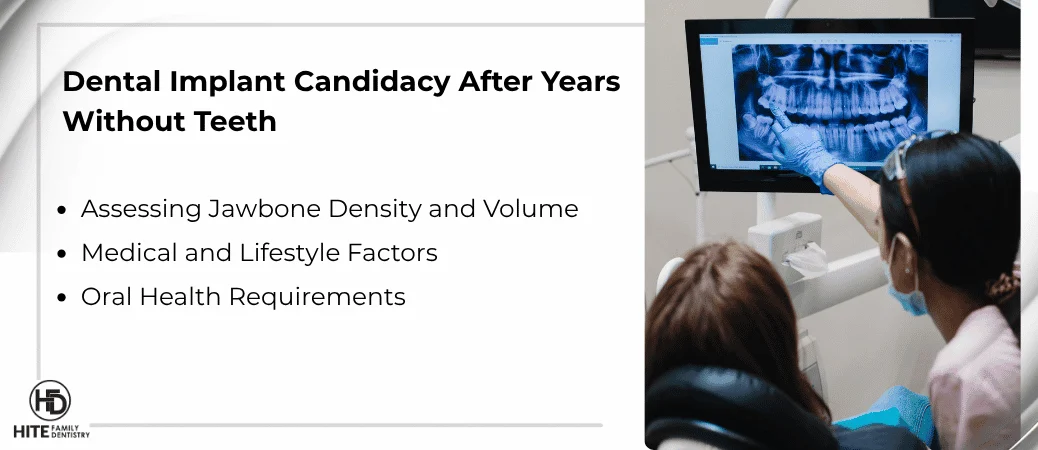
Assessing Jawbone Density and Volume
Your jawbone needs enough density and volume to hold a dental implant in place. When you lose a tooth, the bone in that area starts to shrink. Most bone loss happens in the first few years, but it can continue over time.
An oral surgeon will take X-rays or a 3D scan to measure your jawbone density. These images show if the bone can support implant placement or if you need extra help first.
If your bone has thinned, you may still qualify with bone grafting. A graft adds bone material to weak areas and gives the implant a stable base. Many people who lost teeth years ago can still move forward after this step.
In severe cases, too much bone loss can limit your options. Your surgeon will tell you if the bone cannot safely support an implant.
Medical and Lifestyle Factors
Your overall health affects how well your body heals after implant placement. Dental implants need strong healing to fuse with the bone.
You may need extra review if you have:
- Osteoporosis
- Uncontrolled diabetes
- Autoimmune disorders
- Heavy tobacco or alcohol use
Some conditions raise the risk of infection or slow healing. For example, certain osteoporosis medicines can affect how bone responds to surgery.
Age alone does not disqualify you. Many older adults get implants safely. However, very advanced age combined with chronic illness may increase surgical risk.
If you smoke, your dentist may ask you to quit before treatment. Smoking reduces blood flow and increases implant failure risk.
Oral Health Requirements
Healthy gums are just as important as strong bone. If you have active gum disease, your dentist must treat it before placing an implant.
You should not have:
- Ongoing infections
- Severe gum recession
- Untreated cavities in nearby teeth
Your oral surgeon will check for inflammation and measure the depth of gum pockets. If needed, you may need a deep cleaning or gum treatment first.
If you recently lost a tooth, you might qualify for immediate implant placement. But even if years have passed, you can often move ahead once your mouth is stable and disease-free.
When your bone, health, and gums meet the right standards, dental implants can remain a strong option for restoring your smile.
Have questions about dental implants in Edwardsville, IL? Contact Hite Family Dentistry today.
How Modern Techniques Make Dental Implants Possible
Even if you have lived with missing teeth for years, dentists can rebuild support in your jaw. Procedures like bone grafts, sinus lifts, and special implant designs help make dental implants with bone loss possible.
Bone Graft Procedures
When you lose a tooth, your jawbone shrinks over time. This can reduce jawbone width and height, which makes it hard to place a standard implant.
A bone graft adds new material to areas where bone has thinned. Your dentist may use your own bone, donor bone, or a safe synthetic material. Over a few months, your body builds new bone around the graft.
Bone grafting creates a stable base so the implant can fuse with your jaw. This process, called osseointegration, is key for long-term support.
Many patients who thought they waited too long still qualify. Bone health plays a major role, but modern grafting methods often restore enough support.
In some cases, you may need a small graft at the time of implant placement. In others, you may heal first and place the implant later. Your dentist will check bone volume with 3D imaging before making a plan.
Sinus Lift Surgery and Alternatives
If you are missing upper back teeth, your sinus space may expand into the area where bone once existed. This leaves too little bone height for an implant.
A sinus lift adds bone below the sinus membrane. During sinus lift surgery, the dentist gently raises the sinus lining and places bone graft material underneath it. Over time, this area becomes strong enough for an implant.
You may need this if your upper jaw has lost significant height. It is common for people who have been missing molars for years.
Some patients can avoid a full sinus lift. Short implants or angled implants may work when bone loss is moderate.
Your provider will measure bone height carefully before deciding on sinus lift surgery or another option.
Mini and Zygomatic Implants
Traditional all-on-x implants need enough bone width and depth. If your jawbone width is very narrow, standard implants may not fit without grafting.
Mini implants are smaller in diameter. Dentists often use them when bone is thin or when you need extra support for dentures. They require less bone and may involve a simpler procedure.
For severe upper jaw bone loss, zygomatic implants offer another option. These longer implants anchor into the cheekbone instead of the upper jaw. The cheekbone is dense and usually does not shrink like the jaw does.
This approach can reduce or remove the need for large bone grafts.
Your dentist will review scans, check bone quality, and match the implant type to your anatomy.
Dental Implant Process After Long-Term Tooth Loss
When you have been missing teeth for years, your dentist must check your bone, gums, and overall health before placing a dental implant. The process often includes extra steps to rebuild support and allow safe healing.

Comprehensive Evaluation and Imaging
Your dentist or oral surgeon starts with a detailed exam of your mouth, jaw, and bite. They check for gum disease, infection, and signs of bone loss.
You will likely need digital X-rays and a 3D CBCT scan. These images show bone height, bone width, and the location of nerves and sinuses.
This step helps your provider see if your jaw can support a dental implant or if you need added treatment first.
When teeth have been missing for years, the jawbone often shrinks because it no longer supports natural tooth roots. This bone loss can affect how stable the implant will be.
You may also review your medical history. Conditions like uncontrolled diabetes, heavy smoking, or certain medications can slow healing and affect osseointegration.
Personalized Treatment Planning
After the exam, your provider creates a plan based on your bone level and oral health. This plan explains each step of your dental implant surgery and how long it may take.
If you have mild bone loss, your dentist may place the implant without grafting. If bone loss is moderate or severe, you may need:
- Bone grafting to rebuild jaw structure
- Sinus lift surgery for upper back teeth
- Ridge augmentation to widen thin bone
Your plan may also compare implants with other options like dental bridges or dentures. Bridges rely on nearby teeth for support. Dentures rest on your gums and do not replace tooth roots.
Implants support your jawbone directly and help reduce further bone shrinkage. Implant dentistry focuses on long-term stability and function.
Timeline and Healing Expectations
The timeline depends on your bone condition and whether you need grafting. If you need a bone graft, healing may take several months before implant placement.
Once your oral surgeon places the titanium post during dental implant surgery, your body begins osseointegration. This process allows the implant to fuse with your jawbone.
Osseointegration usually takes 3 to 6 months. During this time, you may wear a temporary tooth so you can speak and eat with confidence.
Here is a simple breakdown:
| Step | Estimated Time |
| Evaluation and imaging | 1–2 visits |
| Bone graft healing (if needed) | 4–9 months |
| Implant placement | 1 visit |
| Osseointegration | 3–6 months |
| Final crown placement | 2–4 weeks after healing |
You must follow care instructions closely. Good brushing, soft foods, and avoiding smoking help protect the surgical site.
Working With Oral Surgeons and Implant Dentists
You may work with both a general dentist and an oral surgeon. The oral surgeon often performs the surgical phase, especially if your case involves bone grafting or complex anatomy.
Your implant dentist handles the restoration phase. This includes placing the abutment and attaching the final crown that looks like a natural tooth.
Choose a provider with training in implant dentistry and experience with long-term tooth loss cases. Ask about imaging technology, surgical planning tools, and how they manage complications.
Clear communication matters. When you understand each step, you can prepare for healing time, costs, and follow-up visits.
Benefits of Choosing Dental Implants Years Later
Even after long-term tooth loss, you can still gain strong support for your jaw and a stable tooth replacement.
Dental implants help protect bone, restore your smile, and offer lasting function compared to dentures or dental bridges.
Preserving Jawbone and Preventing Further Bone Loss
When you lose a tooth, your jawbone no longer receives pressure from chewing. Over time, your body breaks down that unused bone.
A dental implant acts like a tooth root. It sits in your jawbone and transfers chewing force into the bone.
This steady pressure helps slow bone loss and supports your facial shape. Even if you have been missing teeth for years, a specialist can often rebuild lost bone with grafting before placing the implant.
Modern care makes dental implants after long-term tooth loss possible in many cases. You may need extra steps, but you can still protect your jaw from further shrinkage.
Restoring Your Smile and Oral Function

Gaps from long-term tooth loss can change how you speak and chew. Nearby teeth may shift, and your bite can feel uneven.
Dental implants anchor a custom crown that looks and feels like a natural tooth. This support helps you chew with more strength than traditional dentures. It also keeps nearby teeth from drifting into the empty space.
Many people choose implants because they want a solution that feels stable each day. If you have lived with missing teeth for a long time, you can still get a dental implant years after losing a tooth.
Implants also help when you want to restore your smile in visible areas. A well-made crown matches your other teeth in color and shape, which supports both function and appearance.
Long-Term Stability Compared to Other Options
You have several tooth replacement choices, including dentures and dental bridges. Each option has pros and limits.
Dental bridges rely on nearby teeth for support. Dentures sit on top of your gums and may shift during eating or speaking. Over time, they may need adjustments as your bone changes.
Dental implants fuse with your jawbone. Studies show they have a high success rate over 10 years, often above 95%.
If you want a long-term solution, implants often last longer than bridges and many dentures. You care for them with daily brushing and flossing, much like natural teeth.
This stability makes them a strong option even years after tooth loss.
Frequently Asked Questions
You can often get dental implants years after losing teeth, but bone loss, gum health, and medical history affect your options. Dentures, long gaps after extraction, and certain health conditions can change the treatment plan.
Is it ever too late to get dental implants after a tooth has been gone for years?
It is rarely “too late,” but you may need extra steps before implant placement.
Even if a tooth has been missing for years, many people still qualify for implants with modern techniques.
If your jawbone has shrunk, your dentist may suggest bone grafting to rebuild support first.
Can dental implants still work 5, 10, or 20 years after a tooth extraction?
Yes, implants can still work many years after an extraction.
You need enough healthy bone and gum tissue to hold the implant in place. In some cases, dentists treat patients seeking dental implants years after losing a tooth by rebuilding bone before placing the implant.
Your dentist will use X-rays or 3D scans to check bone height and thickness before making a decision.
What happens to the jawbone over time when a tooth is missing, and can it affect implant options?
When you lose a tooth, the jawbone in that area no longer gets regular pressure from chewing.
As a result, the bone can shrink. Research shows that about 25% of bone loss happens in the first three months after losing a tooth.
If bone loss continues for years, the ridge can become too thin or too short to support an implant without grafting. Your dentist may recommend bone grafts or sinus lifts to create a stable base.
Can you switch from dentures to dental implants after wearing dentures for many years?
Yes, you can often switch from dentures to implants, even after many years.
Long-term denture use can speed up bone loss because dentures sit on top of the gums and do not stimulate the jawbone.
Your dentist may suggest implant-supported dentures if you need extra stability.
What conditions or factors can disqualify someone from getting dental implants?
Certain health issues can delay or prevent implant treatment.
Uncontrolled diabetes, active gum disease, heavy smoking, and some immune disorders can reduce healing and increase failure risk. Severe bone loss without the option for grafting can also limit your choices.
Your dentist will review your medical history and may ask for lab work before moving forward.
What are some common risks or downsides of dental implants that people don’t always hear about?
Dental implants require surgery, and surgery always carries some risk.
You may face infection, nerve irritation, sinus problems for upper implants, or implant failure if the bone does not fuse properly. Healing can take several months, and you must keep the area clean during that time.
Implants also cost more than bridges or dentures, and insurance does not always cover the full amount.