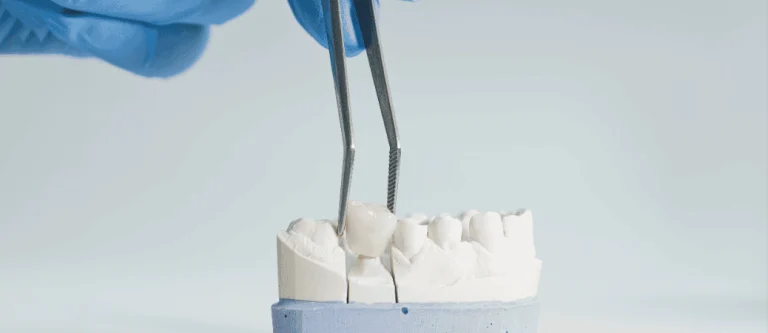

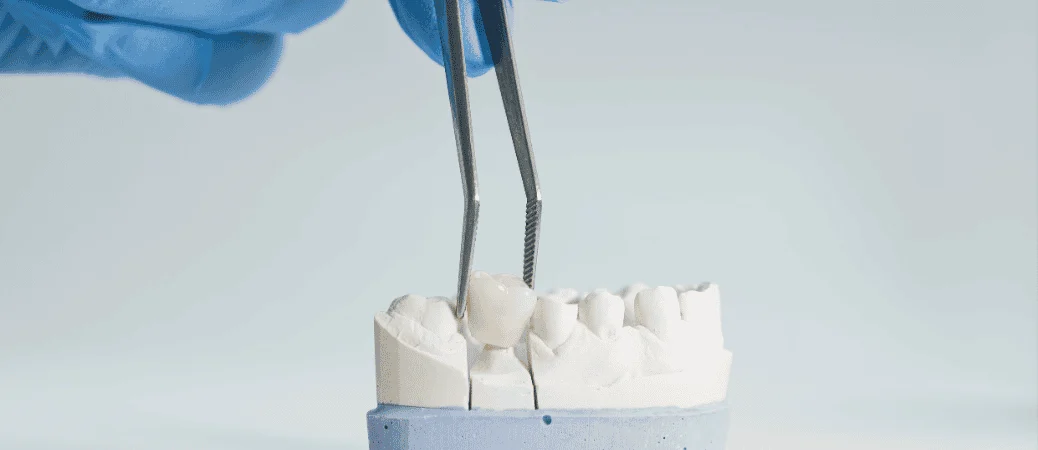
A crown that falls off once can just be bad luck. But if your crown keeps falling off, your mouth is trying to tell you something.
A dental crown that keeps falling off is almost always a sign of an underlying problem, not just weak glue.
The real cause could be a change in your bite, decay hiding under the crown, or even how you grind your teeth at night.
Figuring out why your crown keeps falling off is the only way to stop the cycle of quick fixes that never last.
You are about to learn what is really behind crown failure, what you should do the next time it happens, and how a dentist can help you finally break the pattern for good.
Key Takeaways
- A crown that keeps coming loose usually points to a bigger issue with your tooth or bite.
- Habits like grinding your teeth or chewing hard foods can wear down your crown over time.
- Your dentist can find the exact cause and help you keep your new crown secure for the long run.
Crown keeps coming loose? Schedule a consultation with Hite Family Dentistry in Edwardsville, IL to find out what is causing it.
What a Repeatedly Loose Crown Usually Means
If your crown keeps popping off, it’s usually a sign of a bigger problem than just weak glue. It often points to an issue with the crown fit, the tooth underneath, or how the two are bonding together.
How a Crown Stays Attached to the Tooth
Your crown stays in place thanks to dental cement or bonding material. This acts like a strong glue between the crown and your tooth structure.
For this bond to work well, the crown margin needs to fit tightly against your tooth. The margin is the edge where the crown meets your natural tooth.
A snug fit keeps out saliva, bacteria, and food particles. When the fit is off, even a small gap can weaken the seal.
Over time, chewing forces and everyday wear put pressure on this bond. If the cement breaks down or the fit isn’t right, the crown can loosen or come off completely.
Why Re-Cementing Alone May Not End the Cycle
Simply gluing your crown back on might feel like a fix, but it doesn’t always solve the real problem. If your underlying tooth has decay, damage, or an odd shape, the same causes of crown failure can strike again.
A fallen crown that keeps recurring often means something beneath the surface needs attention. This could be a cavity forming under the crown or a change in your tooth’s structure.
Grinding your teeth or biting hard foods can also stress the bond repeatedly, no matter how many times it’s re-cemented. Your dentist may need to check for these deeper issues.
The Most Common Causes Behind Crown Failure
A crown can loosen or fall off for a few clear reasons. Most of them come down to cement, decay, tooth strength, or how well the crown fits your tooth in the first place.
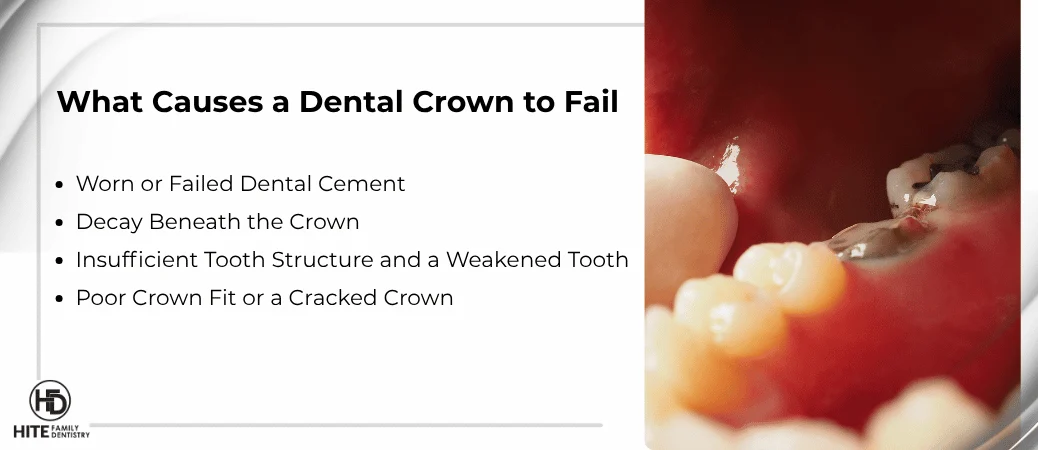
Worn or Failed Dental Cement
Every crown is held in place with dental cement. Over time, this cement can break down from chewing, acid, or moisture.
If your dentist used temporary dental cement while waiting for a permanent crown, it is designed to release more easily. This helps your dentist adjust the crown before it becomes permanent.
But if the cement wears out too soon, the crown can wiggle loose. You might notice a small gap or feel your crown shift when you bite down.
Once the seal breaks, food and saliva can get underneath. This weakens the bond even more and speeds up the problem.
Decay Beneath the Crown
A crown protects the top of your tooth, but it does not stop decay from forming underneath it. If bacteria sneak past the edge of the crown, called the crown margin, they can attack the tooth structure that is still exposed.
This kind of tooth decay often goes unnoticed until the crown starts to feel loose. As the tooth breaks down, it no longer gives the crown a solid base to sit on.
You may not see the decay from the outside. That is why regular dental checkups matter, even if your crown looks fine.
Insufficient Tooth Structure and a Weakened Tooth
Sometimes the problem is not the crown at all. It is what’s left of your natural tooth underneath it.
If the tooth had a large filling, old root canal, or past fracture, there may not be enough healthy structure to support the crown.
This is often called insufficient tooth structure, and it makes a stable fit much harder to achieve.
A weakened tooth flexes slightly every time you bite. That movement can stress the cement and slowly break the seal between the crown and the tooth.
In some cases, the underlying tooth may need a filler material or a post to build it back up before a new crown will hold long term.
Poor Crown Fit or a Cracked Crown
A crown that does not fit right from the start is more likely to fail early. A poorly fitted crown can rock slightly with each bite, which puts extra strain on the cement.
Crown fit issues can happen if the impression was off or if your bite changed after the crown was placed. Either way, the mismatch creates pressure in spots that were never meant to bear that much force.
A cracked crown is another common culprit. Small cracks may not be visible at first, but they can widen over time and cause the crown to loosen or break apart completely.
Bite Pressure, Grinding, and Food-Related Damage
The way you bite, chew, and even clench your jaw at night can put a lot of strain on your crown. Uneven pressure, grinding habits, and certain foods are some of the most common reasons a crown loosens or pops off.
Bite Misalignment and Uneven Chewing Forces
If your bite isn’t lined up the way it should be, your crown can take on more pressure than it’s built to handle.
This is known as bite misalignment, and it often happens when a crown sits just a bit too high or doesn’t match the shape of your natural bite.
When one spot on your tooth takes the brunt of your chewing, it creates uneven bite pressure every time you eat. Over time, this constant strain can loosen the cement or even crack the crown itself.
You might notice your bite feels “off” or that one tooth touches before the others. If that’s the case, your dentist can adjust the crown so your bite feels even again.
Bruxism and Nighttime Clenching
Teeth grinding, also called bruxism, is one of the toughest habits on a dental crown. Many people clench or grind their teeth while they sleep and don’t even realize it until a crown loosens or a headache shows up.
This nighttime clenching puts steady, heavy force on your teeth for hours at a time. That kind of pressure can wear down the crown, loosen the cement, or crack the material.
The best way to protect your crown from grinding is to wear a night guard while you sleep. A custom nightguard fits your mouth exactly and spreads out the pressure so no single tooth takes all the force.
If you already grind your teeth, ask your dentist about getting fitted for one soon.
Hard and Sticky Foods That Can Dislodge a Crown
Certain foods put your crown at risk every time you bite down. Hard foods like ice, nuts, and hard candy can crack a crown or knock it loose with just one bite.
Sticky foods cause a different kind of problem. Things like caramel, taffy, or chewy candy can pull on the crown as you chew, and sometimes that gentle tug is enough to lift it right off.
Here’s a quick guide to foods that are risky for a dental crown:
| Food Type | Examples | Why It’s Risky |
| Hard | Ice, nuts, hard candy | Can crack or chip the crown |
| Sticky | Caramel, taffy, gum | Can pull the crown loose while chewing |
| Chewy | Bagels, tough meat | Adds extra pressure with each bite |
Cutting these foods into smaller pieces or avoiding them altogether can help your crown stay in place longer.
What to Do When a Crown Falls Off
A fallen crown can feel alarming, but staying calm and taking a few simple steps can protect your tooth until you see your dentist. Here’s how to handle the situation the right way.
Protecting the Exposed Tooth Until Your Visit
Once your crown falls off, your tooth is exposed and more sensitive than usual. Cold air, hot drinks, and sweet foods can cause discomfort, so try to avoid them for now.
Save the crown in a clean container. Don’t throw it away, since your dentist may be able to reuse it.
Rinse the crown gently with warm water to remove any leftover cement or food. Avoid scrubbing the inside, since this can change how it fits.
Chew on the opposite side of your mouth until your dental appointment. This helps prevent further damage to the exposed tooth or the crown itself.
If the tooth feels sharp or rough, you can cover it with dental wax from a pharmacy. This adds a layer of protection against your tongue and cheek.
When Temporary Dental Cement Is Appropriate
You can buy temporary dental cement at most drugstores. It’s meant to hold your crown in place for a short time, not permanently.
Before using it, make sure the crown is clean and dry. Apply a small amount of cement inside the crown, then press it gently onto the tooth.
This works best when the crown is fully intact and the tooth underneath looks normal. If the tooth looks cracked, discolored, or has a large hole, skip the temporary fix and call your dentist instead.
Temporary cement is a short-term solution. It’s not a substitute for professional care, and you should still see your dentist as soon as possible to have it properly recemented or replaced.
Signs You Need Urgent Dental Care

Most of the time, a fallen crown isn’t a true emergency. But some signs mean you shouldn’t wait.
Watch for these warning signs:
- Severe pain that doesn’t go away with over-the-counter pain relief
- Swelling in your gums or face near the affected tooth
- Visible decay or a large hole where the crown used to sit
- A damaged tooth with cracks or missing pieces
- Signs of infection, such as a bad taste, pus, or fever
These symptoms could point to a deeper problem, like nerve damage or infection that might require root canal treatment.
If you notice any of these signs, contact your dentist right away instead of waiting for a regular appointment.
How a Dentist Stops the Problem From Returning
Examination, X-Rays, and a Crown Consultation
Your dentist will start with a full check of your tooth and the crown. This usually includes an X-ray to spot decay or bone loss that you can’t see on the surface.
During your crown consultation, your dentist will look at the shape of the tooth underneath. They will also check your bite and see how the crown lines up with the teeth around it.
This step matters because a crown can fall off for many reasons. Your dentist needs to know if it’s the cement, the tooth shape, or something else before moving forward.
Regular dental checkups can catch these issues early, often before you even notice a problem.
When Re-Cementing Is Enough
Sometimes the tooth and crown are both in good shape, and only the dental cement has failed. If this is the case, your dentist can simply clean off the old cement and put the crown back on.
This is often a quick, same-day fix. Your dentist will check that the crown still fits snugly and that your bite feels normal once it’s back in place.
Re-cementing works well when:
- The crown itself is not cracked or worn down
- The tooth underneath has not decayed or changed shape
- The crown has only come loose once or twice
If your crown keeps coming off despite re-cementing, your dentist will look for a deeper cause.
When a New Crown, Build-Up, or Dental Post Is Needed
If your crown has failed repeatedly, a new one may be the better option. This is common when the old crown has cracked, worn thin, or no longer fits the tooth correctly due to poor crown fit or a change in your bite.
Sometimes there isn’t enough of your natural tooth left to hold a crown securely.
This is called insufficient tooth structure. In this case, your dentist may add a build-up, which is a strong filling material used to rebuild the tooth before placing a new crown.
If the tooth has had a root canal, your dentist might use a dental post. This small rod anchors inside the tooth’s root canal space to give the new crown extra support.
Hite Family Dentistry offers same-day crowns, so you may not need a temporary crown while you wait for a permanent one.
Improving Fit and Correcting the Bite
A crown that sits too high or doesn’t match your bite can keep coming loose no matter how many times it’s re-cemented.
Bite misalignment puts extra pressure on the crown every time you chew, which weakens the bond over time.
To fix this, your dentist will adjust the crown’s surface so it sits evenly with your other teeth.
This might mean gently filing down high spots or reshaping the crown so pressure spreads out instead of concentrating in one area.
Getting the fit right is one of the best ways to prevent crown failure in the future. A properly fitted crown should feel just like a natural tooth when you bite down, with no rocking, gaps, or uneven pressure points.
Daily Habits That Help a Crown Last
Simple daily habits can make a big difference in how long your crown stays in place. Good oral hygiene, smart food choices, and regular dental visits all work together to protect your crown and the tooth underneath it.
Brush and Floss Daily Around the Crown Margin

The edge where your crown meets your natural tooth is called the margin. This spot can trap plaque and food if you skip cleaning it well.
You should brush and floss daily to keep this area clean. Use a soft-bristled brush and gentle pressure so you don’t wear down your gum line.
When you floss, slide the floss down slowly instead of snapping it into place. This helps you avoid pulling on the crown or causing gum recession, which can expose the crown’s edge over time.
Skipping this step can lead to bad breath and decay at the margin, which weakens the bond holding your crown in place.
Use Fluoride and Keep Up With Checkups
Fluoride toothpaste helps strengthen the natural tooth structure under your crown. This matters because a crown only stays secure if the tooth beneath it stays healthy.
Look for a toothpaste with fluoride and use it every time you brush.
Regular dental checkups are just as important. Your dentist can spot early signs of decay or a loose crown before you notice any problems.
Most dentists recommend visiting every six months, but your dentist may suggest more frequent dental checkups if you have a history of crown issues.
During these visits, your dentist will check the crown’s fit and look for any changes in the surrounding gum tissue.
Know When an Aging Crown Needs Replacement
Crowns don’t last forever. Over time, normal wear can loosen the fit or cause small cracks you might not notice right away.
Watch for these signs that your crown may need attention:
- Sensitivity to hot or cold near the crown
- A rough or uneven edge you can feel with your tongue
- Visible wear, chips, or discoloration
- Frequent loosening, even after a re-cement
Sticky foods and hard foods can speed up this wear, so try to limit chewy candy, ice, and hard nuts.
If you grind your teeth at night, a night guard can protect your crown from added pressure. A custom nightguard fits your bite exactly, giving your crown better protection than a store-bought version.
Frequently Asked Questions
Crowns can come loose for many reasons, from worn cement to bite problems, and the right response depends on how it fell off and what your tooth looks like underneath.
Here are answers to common questions about crown failure and what steps you should take next.
Why does my dental crown keep falling off?
Your crown may keep falling off because of decay under the crown, a bite that puts too much pressure on one tooth, or cement that has broken down over time.
Grinding your teeth at night can also loosen a crown faster than normal chewing would.
In some cases, the tooth itself may have changed shape or lost structure, so the crown no longer fits the way it once did.
What should I do if my crown falls off more than once?
If your crown falls off more than once, you need a dentist to look past the crown itself and check your bite, your jaw, and the surrounding teeth.
A crown that keeps failing is often a sign of an uneven bite or a hidden crack, not a weak crown. Your dentist may need to take X-rays or scans to find the real cause before recementing it again.
Can I put a crown back on myself if it has come loose?
You can put a crown back on temporarily using dental cement or dental adhesive from a pharmacy, but you should never use superglue or household glue. This is only a short-term fix to protect the tooth until you see your dentist.
Trying to force the crown into place without the right materials can damage the tooth or cause the crown to crack.
How long is it safe to wait before seeing a dentist after a crown falls out?
You should try to see your dentist within a day or two after your crown falls out. The tooth underneath is exposed and can be sensitive to hot, cold, or pressure, and it is more likely to get infected or break the longer it stays uncovered. If you cannot get an appointment right away, keep the area clean and avoid chewing on that side of your mouth.
Why does my crown come out with the post attached?
If your crown comes out with a post attached, it usually means the cement holding the post in place has weakened or the post itself has loosened from the tooth.
This can happen if there was already limited healthy tooth structure supporting the crown. Your dentist will need to check whether the post can be recemented or if the tooth needs a new post and core before a new crown is made.
Is it normal for a temporary or permanent crown to keep coming loose?
Temporary crowns are more likely to come loose because they use weaker cement designed for short-term use, so this is fairly common and not usually a serious problem.
Permanent crowns should stay firmly attached, so a permanent crown coming loose repeatedly usually points to an issue like a bite problem, decay, or reduced tooth structure.
If you notice either type coming loose often, it is worth mentioning to your dentist so they can figure out why.